Blog
Blog
Before you start dancing...

Washington Baseman Deals with Plantar Fasciitis Recovery
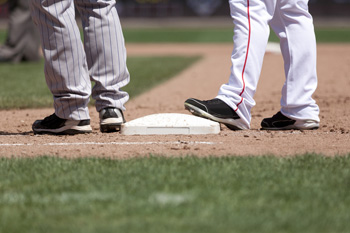 First baseman Ryan Zimmerman of the Washington Nationals has suffered a “brutal” season due to plantar fasciitis in his right foot. The condition made Zimmerman’s returns to the field slow. The nature of the athlete’s injury has also made it slow to heal; fully torn plantar fascia are faster to heal, but Zimmerman’s fascia was only partly torn. Before his return on September 1st, Zimmerman rehabilitated on the treadmill. Plantar fasciitis is a common sports injury that can be disruptive to everyday life. If you think you’ve sustained a plantar fasciitis injury, contact your podiatrist.
Plantar fasciitis is a common foot condition that is often caused by a strain injury. If you are experiencing heel pain or symptoms of plantar fasciitis, contact Steven Spivak, DPM from Mount Holly Family Footcare. Our doctor can provide the care you need to keep you pain-free and on your feet.
What Is Plantar Fasciitis?
Plantar fasciitis is one of the most common causes of heel pain. The plantar fascia is a ligament that connects your heel to the front of your foot. When this ligament becomes inflamed, plantar fasciitis is the result. If you have plantar fasciitis you will have a stabbing pain that usually occurs with your first steps in the morning. As the day progresses and you walk around more, this pain will start to disappear, but it will return after long periods of standing or sitting.
What Causes Plantar Fasciitis?
- Excessive running
- Having high arches in your feet
- Other foot issues such as flat feet
- Pregnancy (due to the sudden weight gain)
- Being on your feet very often
There are some risk factors that may make you more likely to develop plantar fasciitis compared to others. The condition most commonly affects adults between the ages of 40 and 60. It also tends to affect people who are obese because the extra pounds result in extra stress being placed on the plantar fascia.
Prevention
- Take good care of your feet – Wear shoes that have good arch support and heel cushioning.
- Maintain a healthy weight
- If you are a runner, alternate running with other sports that won’t cause heel pain
There are a variety of treatment options available for plantar fasciitis along with the pain that accompanies it. Additionally, physical therapy is a very important component in the treatment process. It is important that you meet with your podiatrist to determine which treatment option is best for you.
If you have any questions, please feel free to contact our office located in Lumberton, NJ . We offer the newest diagnostic and treatment technologies for all your foot care needs.
Excess Friction May Cause Blisters
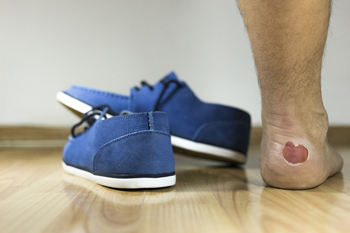 Many patients will experience blisters on the feet as a result of friction. These can form on the back of the foot from wearing shoes and socks that do not fit correctly, which may cause difficulty in walking. When the skin in the affected area becomes damaged, the body’s natural response will be to form a small bubble over it. This is filled with liquid that will protect the area that has become raw. Additionally, there may be other reasons for blisters to form. These can include allergic reactions to insect bites, frostbite, or severe burns, and medical conditions such as herpes or eczema. As new skin grows, the majority of blisters will drain and heal on their own. If your blister has become infected, or is not healing in a timely fashion, it is suggested that you consult with a podiatrist.
Blisters are prone to making everyday activities extremely uncomfortable. If your feet are hurting, contact Steven Spivak, DPM of Mount Holly Family Footcare. Our doctor can provide the care you need to keep you pain-free and on your feet.
Foot Blisters
Foot blisters develop as a result of constantly wearing tight or ill-fitting footwear. This happens due to the constant rubbing from the shoe, which can often lead to pain.
What Are Foot Blisters?
A foot blister is a small fluid-filled pocket that forms on the upper-most layer of the skin. Blisters are filled with clear fluid and can lead to blood drainage or pus if the area becomes infected.
How Do Blisters Form?
Blisters on the feet are often the result of constant friction of skin and material, usually by shoe rubbing. Walking in sandals, boots, or shoes that don’t fit properly for long periods of time can result in a blister. Having consistent foot moisture and humidity can easily lead to blister formation.
Prevention & Treatment
It is important to properly care for the affected area in order to prevent infection and ease the pain. Do not lance the blister and use a Band-Aid to provide pain relief. Also, be sure to keep your feet dry and wear proper fitting shoes. If you see blood or pus in a blister, seek assistance from a podiatrist.
If you have any questions, please feel free to contact our office located in Lumberton, NJ . We offer the newest diagnostic and treatment technologies for all your foot care needs.
What Are The Benefits Of Having Foot Massages?
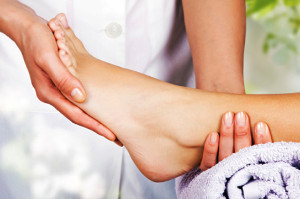 A popular form of foot therapy includes foot massages. Many people find relief at the end of a work day by having their feet gently massaged. This can be beneficial in relieving pain and discomfort the feet may have endured during the day. Additionally, it may be easier to relax and sleep after a massage has been performed, and pain may be minimized throughout the body. Before beginning a foot massage, it can be helpful to soak the feet in warm water, followed by applying massage oil on the feet and ankles. An effective method of starting this type of therapy includes performing warm up twists, which allows the feet and ankles to prepare for the remainder of the massage. If more information is needed on the benefits of having regular foot massages, it is suggested that you schedule a consultation with a podiatrist.
Foot therapy is often necessary for those recovering from either foot deformities or foot injuries. If you have concerns regarding therapy, consult with Steven Spivak, DPM from Mount Holly Family Footcare. Our doctor can provide the care you need to keep you pain-free and on your feet.
Most Common Injuries
People who are active or athletes are prone to a variety of injuries. Therefore, it is often important to take part in physical therapy in order to quickly get back on the right track.
What to Do When Injured
Physical Therapy – This specialized treatment will focus on the affected area, speeding up recovery and the overall healing process. It is a proven method that has helped millions of people return from any injury.
During physical therapy you will undergo regimented training to get back into full form. Training is often very difficult, especially at first when the foot feels weak. Physical therapy often involves:
Basic stretching and twisting exercises – getting the feet’s mobility and flexibility up.
Massaging – the therapist will massage the injured area in order to activate the muscles and relax them.
Strengthening Exercises – this allows the muscles in the affected area to regain their full strength, a vital step towards full recovery.
If you have any questions please feel free to contact our office located in Lumberton, NJ . We offer the newest diagnostic tools and technology to treat your foot and ankle needs.
Types of Foot Pain
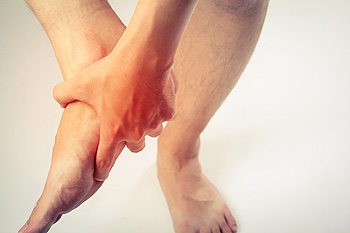 Many people experience foot pain at some point in their lives. This can range from having chronic foot pain, to enduring a sudden injury. Additionally, there are medical conditions that can cause pain and discomfort in the feet. These can consist of bunions, athlete’s foot, and plantar fasciitis. A bunion produces a bony protrusion on the side of the big toe. This can develop from genetic traits, or from wearing shoes that do not have adequate room for the toes to move freely in. It may appear red, and pain may come from the pressure that is exerted on it. Itching between the toes and on the bottom of the feet may be indicative of athlete’s foot, which is caused by a fungus. In severe cases, medication may be prescribed. The latter is caused by inflammation of the tendon that is located on the sole of the foot. It connects the heel to the toes, and will typically produce pain and discomfort in the heel. If you are having any type of foot pain, it is strongly suggested that you seek the counsel of a podiatrist who can guide you towards the proper treatment.
Foot Pain
Foot pain can be extremely painful and debilitating. If you have a foot pain, consult with Steven Spivak, DPM from Mount Holly Family Footcare. Our doctor will assess your condition and provide you with quality foot and ankle treatment.
Causes
Foot pain is a very broad condition that could be caused by one or more ailments. The most common include:
- Bunions
- Hammertoes
- Plantar Fasciitis
- Bone Spurs
- Corns
- Tarsal Tunnel Syndrome
- Ingrown Toenails
- Arthritis (such as Gout, Rheumatoid, and Osteoarthritis)
- Flat Feet
- Injury (from stress fractures, broken toe, foot, ankle, Achilles tendon ruptures, and sprains)
- And more
Diagnosis
To figure out the cause of foot pain, podiatrists utilize several different methods. This can range from simple visual inspections and sensation tests to X-rays and MRI scans. Prior medical history, family medical history, and any recent physical traumatic events will all be taken into consideration for a proper diagnosis.
Treatment
Treatment depends upon the cause of the foot pain. Whether it is resting, staying off the foot, or having surgery; podiatrists have a number of treatment options available for foot pain.
If you have any questions, please feel free to contact our office located in Lumberton, NJ . We offer the newest diagnostic and treatment technologies for all your foot care needs.
Wounds That Don't Heal Need to Be Checked

Your feet are covered most of the day. If you're diabetic, periodic screening is important for good health. Numbness is often a sign of diabetic foot and can mask a sore or wound.
Diabetes and Podiatrists
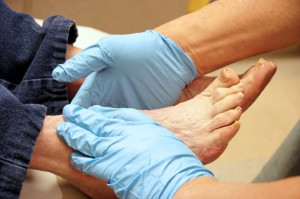 Many people who are diabetic are familiar with the potential problems their feet may endure. The nerves may be affected, which can cause difficulty in feeling cuts or scrapes, and this may cause infections to develop. If left untreated, the patient could develop diabetic foot ulcers, causing severe pain and discomfort. Diabetes may cause changes to occur in the blood vessels, and peripheral vascular disease may develop. This condition can cause diminished blood flow to the feet, and existing wounds may heal at a slower pace. It is important for people who have diabetes to see a podiatrist regularly. Treatment varies according to the severity of each individuals condition. There is a wide range of surgical and nonsurgical options available. If you notice swelling, pain, tingling, changes in color or temperature in the feet, it is highly recommended that you speak with your local podiatrist.
Diabetic foot care is important in preventing foot ailments such as ulcers. If you are suffering from diabetes or have any other concerns about your feet, contact Steven Spivak, DPM from Mount Holly Family Footcare. Our doctor can provide the care you need to keep you pain-free and on your feet.
Diabetic Foot Care
Diabetes affects millions of people every year. The condition can damage blood vessels in many parts of the body, especially the feet. Because of this, taking care of your feet is essential if you have diabetes, and having a podiatrist help monitor your foot health is highly recommended.
The Importance of Caring for Your Feet
- Routinely inspect your feet for bruises or sores.
- Wear socks that fit your feet comfortably.
- Wear comfortable shoes that provide adequate support.
Patients with diabetes should have their doctor monitor their blood levels, as blood sugar levels play such a huge role in diabetic care. Monitoring these levels on a regular basis is highly advised.
It is always best to inform your healthcare professional of any concerns you may have regarding your feet, especially for diabetic patients. Early treatment and routine foot examinations are keys to maintaining proper health, especially because severe complications can arise if proper treatment is not applied.
If you have any questions please feel free to contact our office located in Lumberton, NJ . We offer the newest diagnostic and treatment technologies for all your foot and ankle needs.
Are Flip Flops Dangerous for the Feet?
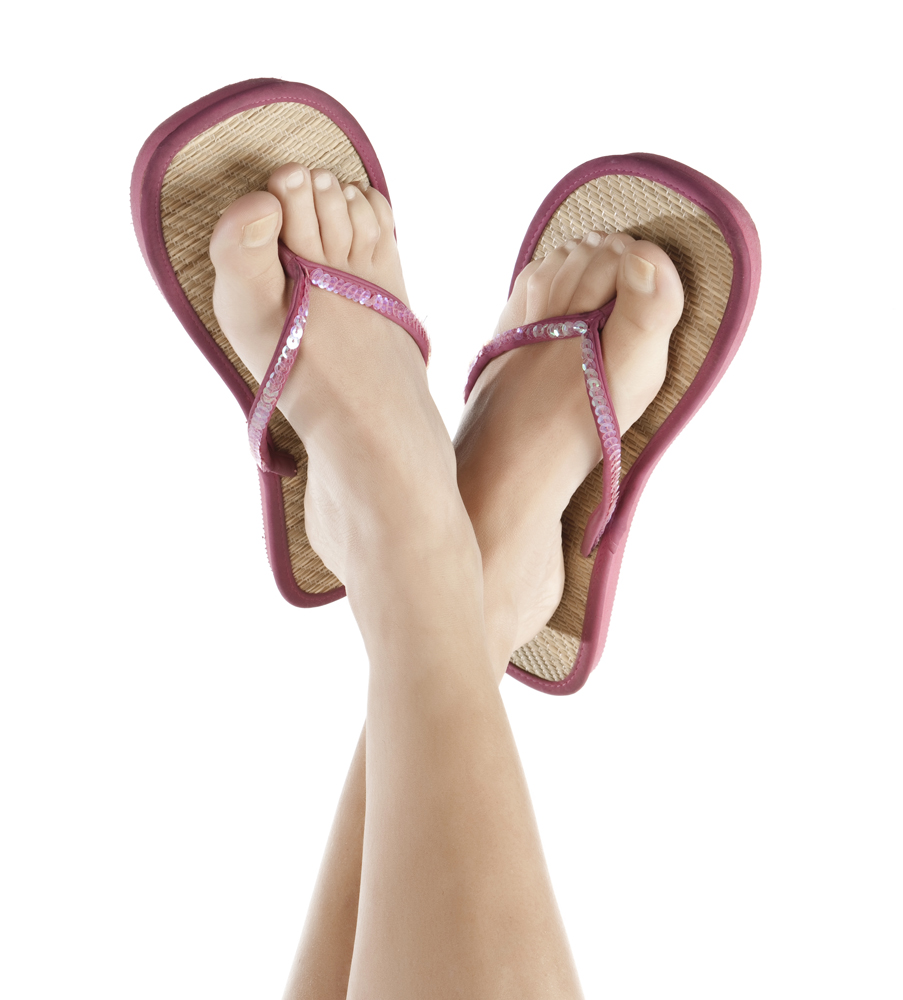
Flip flops are easy to slip into, and the appeal of wearing this type of shoe during the warmer months is desirable among many people. Despite the allure of wearing flip flops, research has indicated that they may cause damage to the feet and ankles. This may be due to a result of gripping this style of shoe with the toes in order to keep them on the feet. This motion can put pressure on the lower body, possibly causing pain and discomfort. Additionally, many people can develop flat feet, which can occur from a lack of arch support. If you decide to purchase flip flops, it may be beneficial to choose shoes that are made of a sturdy material, and it may help to wear them in limited intervals. If you would like more information about how flip flops can affect the feet, please consult with your local podiatrist.
Flip-flops can cause a lot of problems for your feet. If you have any concerns about your feet or ankles, contact Steven Spivak, DPM from Mount Holly Family Footcare. Our doctor will assist you with all of your foot and ankle needs.
Flip-Flops and Feet
Flip-flops have managed to become a summer essential for a lot of people. While the shoes may be stylish and easy to slip on and off, they can be dangerous to those who wear them too often. These shoes might protect you from fungal infections such as athlete’s foot, but they can also give you foot pain and sprained ankles if you trip while wearing them.
When Are They Okay to Wear?
Flip-flops should only be worn for very short periods of time. They can help protect your feet in places that are crawling with fungi, such as gym locker rooms. Athlete’s foot and plantar warts are two common fungi that flip-flops may help protect your feet against.
Why Are They Bad for My Feet?
These shoes do not offer any arch support, so they are not ideal for everyday use. They also do not provide shock absorption or heel cushioning which can be problematic for your feet. Additionally, you may suffer from glass cuts, puncture wounds, and stubbed toes since they offer little protection for your feet.
More Reasons Why They Are Bad for Your Feet
- They Slow You Down
- May Cause Blisters and Calluses
- Expose Your Feet to Bacteria
If you have any questions, please feel free to contact our office located in Lumberton, NJ . We offer the newest diagnostic and treatment technologies for all your foot care needs.
Possible Causes of Flat Feet
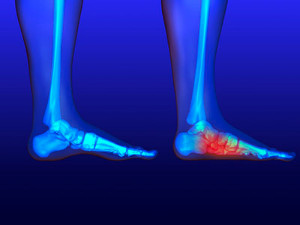
The medical term that is referred to as flat feet is indicative of little or no arches in the feet. It is noticeable while standing, as the foot rests completely on the floor. Many patients who experience this condition often feel foot pain, and this can result from ligaments and muscles that have become strained. Additionally, the feet may feel stiff, and shoes may wear unevenly and quickly. There are several causes as to why flat feet can exist. These include injuries that may have occurred to the foot or ankle, inherited traits, or muscle diseases such as muscular dystrophy or cerebral palsy. Mild relief may be found when gentle foot stretches and exercises are performed, as this may help to manage the symptoms. If you have flat feet, it is strongly advised that you counsel with a podiatrist who can offer treatment techniques that are correct for you.
Flatfoot is a condition many people suffer from. If you have flat feet, contact Steven Spivak, DPM from Mount Holly Family Footcare. Our doctor will treat your foot and ankle needs.
What Are Flat Feet?
Flatfoot is a condition in which the arch of the foot is depressed and the sole of the foot is almost completely in contact with the ground. About 20-30% of the population generally has flat feet because their arches never formed during growth.
Conditions & Problems:
Having flat feet makes it difficult to run or walk because of the stress placed on the ankles.
Alignment – The general alignment of your legs can be disrupted, because the ankles move inward which can cause major discomfort.
Knees – If you have complications with your knees, flat feet can be a contributor to arthritis in that area.
Symptoms
- Pain around the heel or arch area
- Trouble standing on the tip toe
- Swelling around the inside of the ankle
- Flat look to one or both feet
- Having your shoes feel uneven when worn
Treatment
If you are experiencing pain and stress on the foot you may weaken the posterior tibial tendon, which runs around the inside of the ankle.
If you have any questions please feel free to contact our office located in Lumberton, NJ . We offer the newest diagnostic and treatment technologies for all your foot and ankle needs.
What Is a Brannock Device?
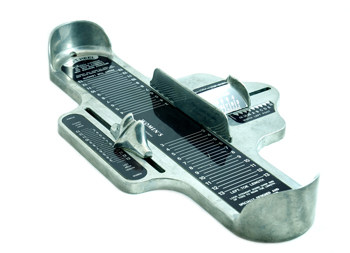 Research has shown the importance of properly measuring your feet before shoes are purchased. This can be done by using a Brannock device which is found in the majority of shoe stores. It is helpful to measure your feet and try shoes on during the afternoon, when the feet are typically at their largest for the day. A properly fitting shoe should feel comfortable when tried on, and will have adequate room for the toes to move freely in. It can help to determine the correct shoe size by wearing socks that would be worn with the shoes, in addition to walking on carpeting and hard surfaces before you decide to purchase them. If your foot becomes irritated, the shoes may have tags on the inside of them which need to be removed. If you have any questions about how to buy shoes that fit properly, please consult with a podiatrist.
Finding a properly-fitting shoe is important in reducing injuries and preventing foot problems. For more information about treatment, contact Steven Spivak, DPM from Mount Holly Family Footcare. Our doctor will treat your foot and ankle needs.
Proper Shoe Fitting
A common concern when it comes to foot health, having properly fitted shoes can help prevent injuries to the foot. Out feet affect our posture and gait, which in turn affects the biomechanics and overall bodily structure. With 33 joints, 26 bones, and over 100 ligaments, the potential for serious injury is much greater than one realizes. Although the feet cease growth in adulthood, they still change shape as they mature. Here are some factors to consider when it comes to investing in proper fitting shoes:
- Be sure the shoes fit correctly right away
- Ensure the ball of your foot fits comfortably in the widest portion of the shoes
- Even though they may look fashionable, improper fitting shoes can either create adverse conditions or exacerbate existing ones you may already have
- Walk along a carpeted surface to ensure the shoes comfortably fit during normal activity
Keeping in mind how shoes fit the biomechanics of your body, properly-fitting shoes are vitally important. Fortunately, it is not difficult to acquire footwear that fits correctly. Be sure to wear shoes that support the overall structure of your body. Do your feet a favor and invest in several pairs of well-fitted shoes today.
If you have any questions please feel free to contact our office located in Lumberton, NJ . We offer the newest diagnostic and treatment technologies for all your foot and ankle needs.