Same day appointments. Call Now!

Blog

When Swelling Develops in a Lower Limb

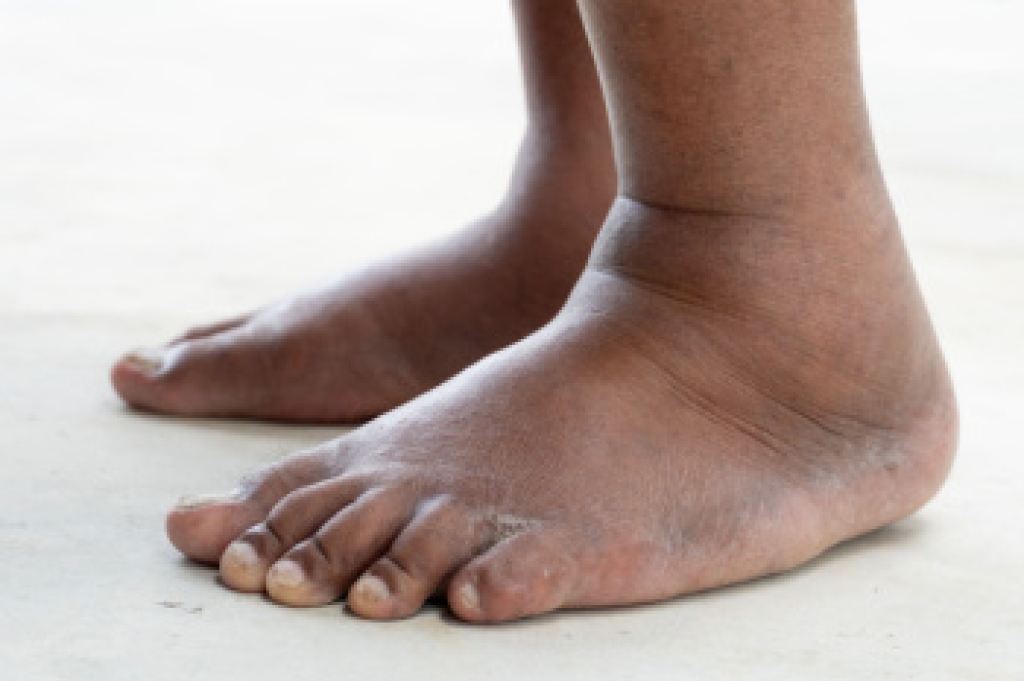
The lower limbs include the parts of the body from the knee down to the foot and toes. Podiatrists often treat conditions that affect this region because problems in the leg, ankle, or foot can affect walking and balance. Swelling in the lower limb can occur for many different reasons. Common causes include injuries such as sprains or fractures, infections, inflammation of joints, or problems with tendons and ligaments. Circulation issues can also lead to swelling, especially when veins have difficulty returning blood from the legs back to the heart. In some cases, fluid builds up in the tissues, causing the leg, ankle, or foot to appear puffy or tight. Long periods of standing, certain medications, and medical conditions may also contribute. Because swelling can signal many different problems, proper evaluation is important. If you notice persistent swelling in the leg, ankle, or foot, it is suggested that you see a podiatrist for a proper diagnosis and appropriate treatment.

Swollen feet can be a sign of an underlying condition. If you have any concerns, contact Steven Spivak, DPM of Mount Holly Family Footcare. Our doctor can provide the care you need to keep you pain-free and on your feet.

Swollen feet are a common ailment among pregnant women and people who stand or sit for extended periods. Aging may increase the possibility of swollen feet and patients who are obese often notice when their feet are swelling too. There may be medical reasons why swollen feet occur:

  • Phlebitis - A condition that causes the veins to become inflamed and can also cause leg pain.
  • Liver disease - This may lead to low blood levels of albumin which is a protein. This can cause fluid in the blood to pass into the tissues and several areas of the body can become swollen.
  • Heart failure - When the heart doesn’t pump properly the blood that is normally pumped back to the heart can pool in the veins of the legs causing swollen feet.
  • Kidney disease - One of the main functions of the kidneys is releasing excess fluid in the body. This type of condition can make it difficult for the kidneys to function properly, and as a result the feet may become swollen.
  • Deep-vein thrombosis (DVT)- This is a serious condition where blood clots form in the veins of the legs. They can block the return of blood from the legs to the heart which may cause the feet to swell. It is important to be treated by a podiatrist if this condition is present.

Swollen feet can also be caused by bone and tendon conditions, including fractures, arthritis, and tendinitis. Additionally, there may be skin and toenail conditions and an infection may cause the feet to swell. Patients who take medicine to treat high blood pressure may be prone to getting swollen feet. 

Many patients elevate their feet to help relieve the swelling and this is generally a temporary remedy. When a podiatrist is consulted the reason behind the swelling can be uncovered and subsequently treated.

If you have any questions please contact our office located in Lumberton, NJ . We offer the newest diagnostic and treatment technologies for all your foot and ankle needs.
Read more about Swelling of the Feet

Injection Therapy for Painful Morton Neuroma

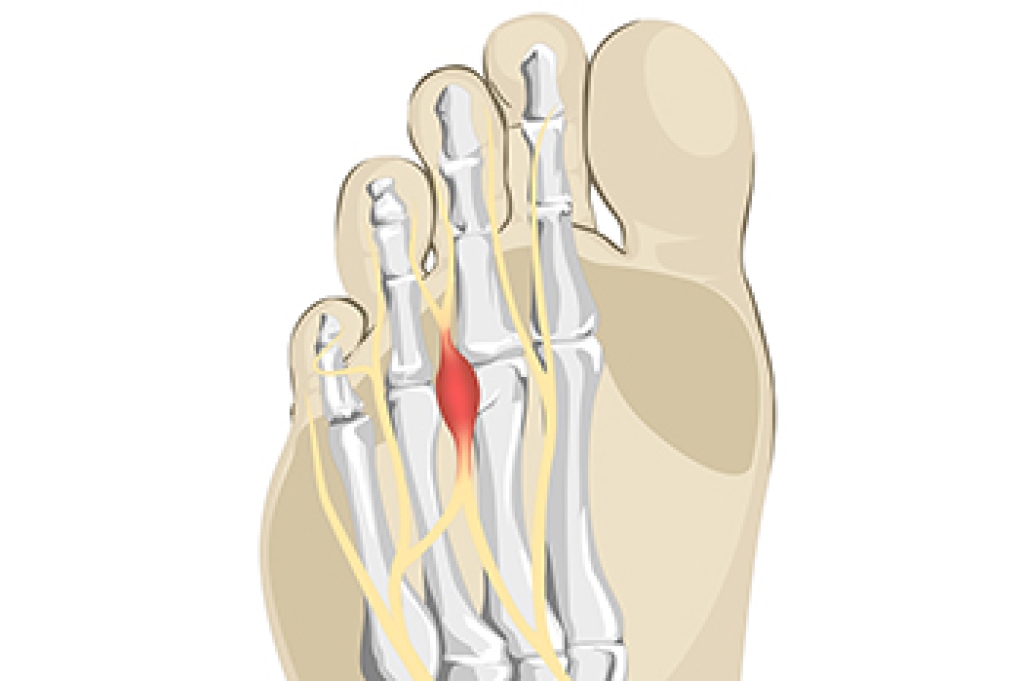
Morton neuroma is a nerve-related condition that causes burning pain, tingling, or numbness in the ball of the foot. It usually develops between the third and fourth toes when the nerve becomes irritated and thickened from repeated pressure. Wearing tight shoes, high heels, and high impact activities often worsen the problem. When shoe changes, padding, and activity modification do not bring relief, injection therapy may be considered. This treatment involves carefully placing medication around the affected nerve to reduce inflammation and calm nerve irritation. Corticosteroid injections are commonly used to decrease swelling and pressure in the surrounding tissues. Some patients also receive alcohol-based injections that help shrink the enlarged nerve over time. These treatments are performed in a clinical setting and are designed to relieve pain while improving walking comfort. When persistent forefoot pain suggests Morton neuroma, a consultation with a podiatrist is suggested to discuss diagnosis and appropriate treatment options.

Morton’s neuroma is a very uncomfortable condition to live with. If you think you have Morton’s neuroma, contact Steven Spivak, DPM of Mount Holly Family Footcare. Our doctor will attend to all of your foot care needs and answer any of your related questions.  

Morton’s Neuroma

Morton's neuroma is a painful foot condition that commonly affects the areas between the second and third or third and fourth toe, although other areas of the foot are also susceptible. Morton’s neuroma is caused by an inflamed nerve in the foot that is being squeezed and aggravated by surrounding bones.

What Increases the Chances of Having Morton’s Neuroma?

  • Ill-fitting high heels or shoes that add pressure to the toe or foot
  • Jogging, running or any sport that involves constant impact to the foot
  • Flat feet, bunions, and any other foot deformities

Morton’s neuroma is a very treatable condition. Orthotics and shoe inserts can often be used to alleviate the pain on the forefront of the feet. In more severe cases, corticosteroids can also be prescribed. In order to figure out the best treatment for your neuroma, it’s recommended to seek the care of a podiatrist who can diagnose your condition and provide different treatment options.

If you have any questions, please feel free to contact our office located in Lumberton, NJ . We offer the newest diagnostic and treatment technologies for all your foot care needs.

Read more about Morton's Neuroma

When Your Child Needs a Foot or Ankle Brace

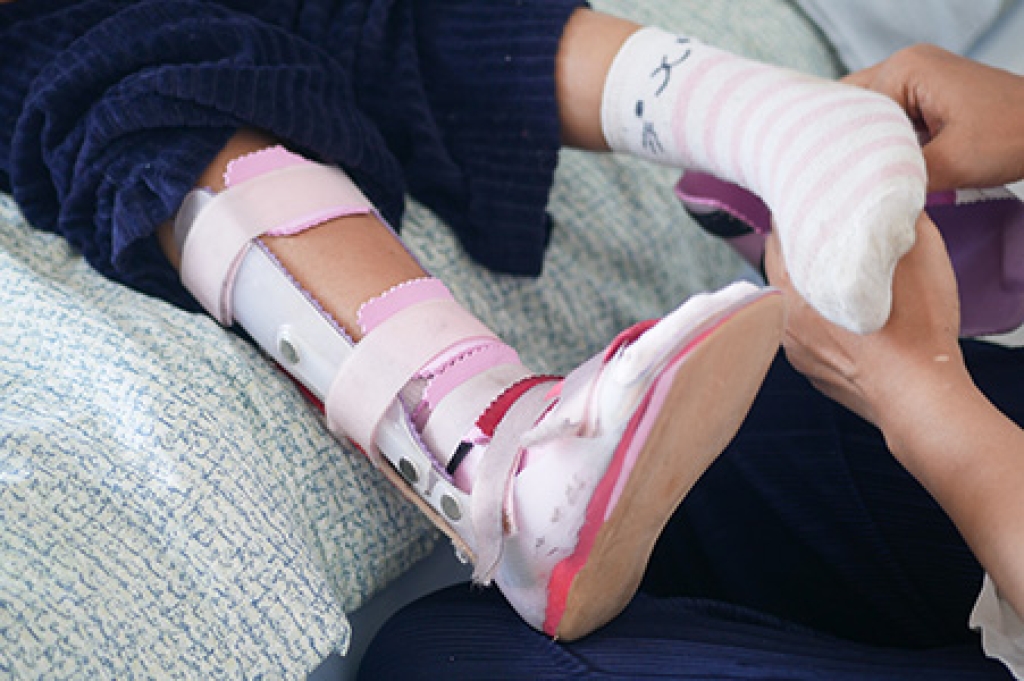
Braces are sometimes needed when a child has a foot or ankle condition that affects balance, walking, or the position of the toes. A brace can help guide the foot into a better alignment and support the ankle as the child grows. Some children who have flat feet, tight muscles, clubfoot, or ankle instability benefit from braces that connect to the shoe and keep the foot straight. Wearing a brace can feel unusual at first, and children need time to adapt, especially if they are used to softer shoes or flip-flops. A podiatrist can examine the feet, check for rubbing around the toes, and prescribe the appropriate brace so it fits correctly. A podiatrist can also monitor progress and decide how long the brace should be worn. If your child is suffering from a foot or ankle abnormality, it is suggested that you schedule an appointment with a podiatrist for a diagnosis and appropriate treatment.

The health of a child’s feet is vital to their overall well-being. If you have any questions regarding foot health, contact Steven Spivak, DPM of Mount Holly Family Footcare. Our doctor can provide the care you need to keep you pain-free and on your feet.

Tips for Keeping Children's Feet Healthy

  • Make sure their shoes fit properly
  • Look for any signs of in-toeing or out-toeing
  • Check to see if they have Clubfoot (condition that affects your child’s foot and ankle, twisting the heel and toes inward) which is one of the most common nonmajor birth defects.
  • Lightly cover your baby’s feet (Tight covers may keep your baby from moving their feet freely, and could prevent normal development)
  • Allow your toddler to go shoeless (Shoes can be restricting for a young child’s foot)
  • Cut toenails straight across to avoid ingrown toenails
  • Keep your child’s foot clean and dry
  • Cover cuts and scrapes. Wash any scratches with soap and water and cover them with a bandage until they’ve healed.

If you have any questions, please feel free to contact our office located in Lumberton, NJ . We offer the newest diagnostic and treatment technologies for all your foot care needs.

Read more about How to Care for Your Child's Feet

Understanding Sever’s Disease and Pediatric Heel Pain

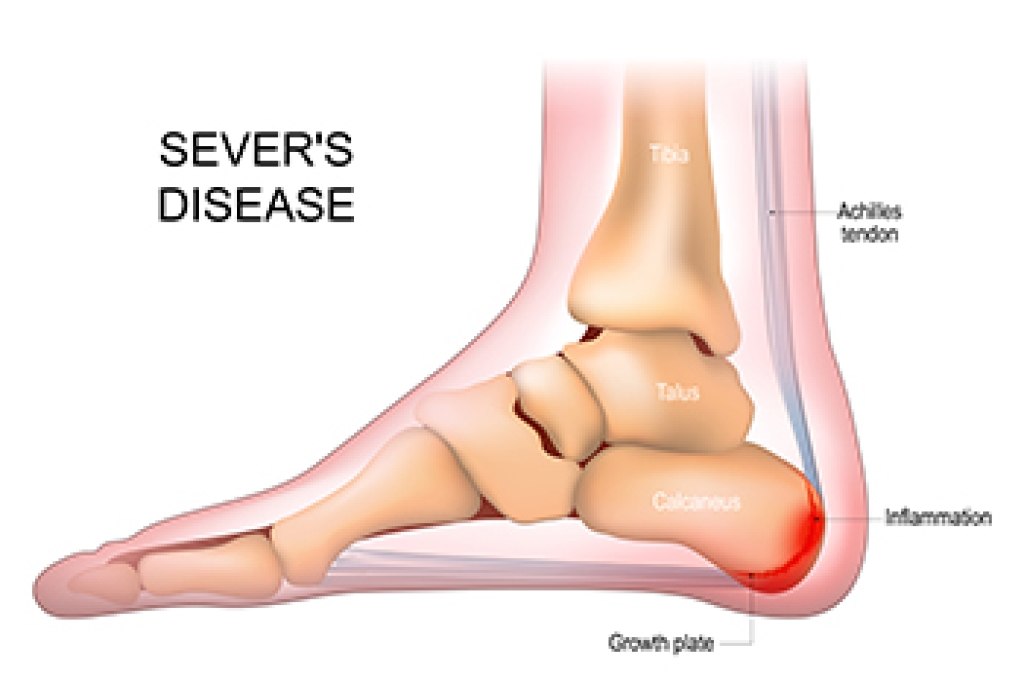
Sever’s disease is a common cause of pediatric heel pain that occurs when the growth plate at the back of the heel becomes inflamed. It typically affects children and adolescents during periods of rapid growth, especially among children who participate in running and jumping activities. The condition develops when repetitive stress and tight calf muscles place excess strain on the heel bone. Symptoms often include tenderness, swelling, and pain with deep pressure at the back of the heel, which may worsen during or after activity. Risk factors include high activity levels, wearing improper footwear, and growth spurts. A podiatrist can provide evaluation, stretching guidance, and supportive orthotics. If your active child has heel pain, it is suggested that you consult a podiatrist who can provide an accurate diagnosis and offer relief solutions.

Sever's disease often occurs in children and teens. If your child is experiencing foot or ankle pain, see Steven Spivak, DPM from Mount Holly Family Footcare. Our doctor can treat your child’s foot and ankle needs.

Sever’s Disease

Sever’s disease is also known as calcaneal apophysitis, which is a medical condition that causes heel pain I none or both feet. The disease is known to affect children between the ages of 8 and 14.

Sever’s disease occurs when part of the child’s heel known as the growth plate (calcaneal epiphysis) is attached to the Achilles tendon. This area can suffer injury when the muscles and tendons of the growing foot do not keep pace with bone growth. Therefore, the constant pain which one experiences at the back of the heel will make the child unable to put any weight on the heel. The child is then forced to walk on their toes.

Symptoms

Acute pain – Pain associated with Sever’s disease is usually felt in the heel when the child engages in physical activity such as walking, jumping and or running.

Highly active – Children who are very active are among the most susceptible in experiencing Sever’s disease, because of the stress and tension placed on their feet.

If you have any questions, please feel free to contact our office located in Lumberton, NJ . We offer the newest diagnostic and treatment technologies for all your foot care needs.

Read more about Sever's Disease

How Beginners Can Choose the Right Running Shoes

Buying running shoes as a beginner requires careful attention to comfort, support, and proper fit. The right pair should feel comfortable immediately, with enough room in the toe box and secure support around the heel. Look for cushioning that matches your activity level and provides shock absorption without feeling unstable. A good fit allows natural foot movement while preventing slipping or pressure points. Quality running shoes are important because they help reduce stress on joints, improve alignment, and lower the risk of common overuse injuries. Trying shoes on later in the day, when feet are slightly swollen, can improve fit. A podiatrist can assess your foot type and gait to recommend suitable options. If you have foot or ankle pain from wearing the wrong running shoes, it is suggested that you consult a podiatrist who can offer effective treatment solutions, and offer additional guidance on selecting the right running shoes.

For more information about walking shoes versus running shoes, consult with Steven Spivak, DPM from Mount Holly Family Footcare. Our doctor can measure your feet to determine what your needs are and help you find an appropriate pair of footwear.

Foot Health: The Differences between Walking & Running Shoes

There are great ways to stay in shape: running and walking are two great exercises to a healthy lifestyle. It is important to know that running shoes and walking shoes are not interchangeable. There is a key difference on how the feet hit the ground when someone is running or walking. This is why one should be aware that a shoe is designed differently for each activity.

You may be asking yourself what the real differences are between walking and running shoes and the answers may shock you.

Differences

Walking doesn’t involve as much stress or impact on the feet as running does. However, this doesn’t mean that you should be any less prepared. When you’re walking, you land on your heels and have your foot roll forward. This rolling motion requires additional support to the feet.

Flexibility – Walking shoes are designed to have soft, flexible soles. This allows the walker to push off easily with each step.

If you have any questions, please feel free to contact our office located in Lumberton, NJ . We offer the newest diagnostic and treatment technologies for all your foot care needs.

Read more about Walking Shoes vs. Running Shoes
Connect with us
fb ico Leave Google Review for Mount Holly Family Footcare blog