
If you are suffering from tenderness, pain, or stiffness in the joints of your feet or ankles, call us to schedule an appointment.

If you are suffering from tenderness, pain, or stiffness in the joints of your feet or ankles, call us to schedule an appointment.
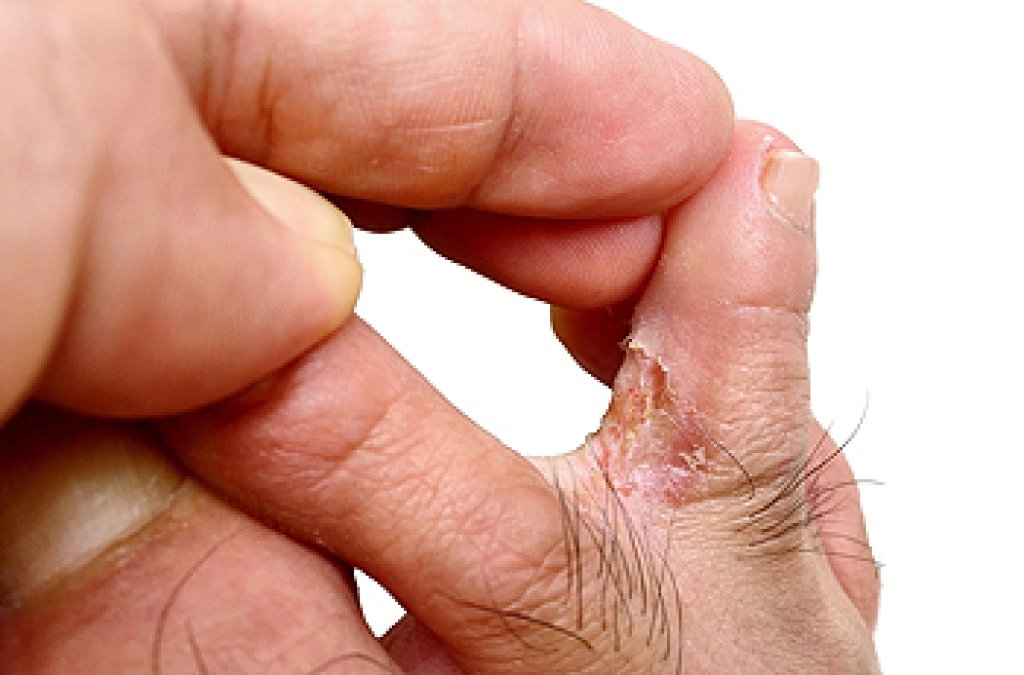
Tinea pedis, commonly called athlete’s foot, is a fungal infection that affects the skin on the feet and between the toes. The condition often develops in warm, damp environments where fungus grows easily, such as sweaty shoes, locker rooms, or around public pool areas. Many people notice peeling skin, itching, redness, cracking, or a burning sensation that becomes worse over time. In some cases, the skin may blister or develop an unpleasant odor. Although athlete’s foot can seem minor at first, untreated infections may spread to the toenails or other parts of the foot, and become more difficult to manage. A podiatrist can identify the infection, rule out other skin conditions that appear similar, and recommend treatment designed to stop the fungus and relieve irritation. Early care may also help prevent recurring infections and skin breakdown. If you continue to experience itching, peeling, or irritation on the feet, it is suggested that you visit a podiatrist for a diagnosis and appropriate treatment.
Athlete’s foot is an inconvenient condition that can be easily reduced with the proper treatment. If you have any concerns about your feet and ankles, contact Steven Spivak, DPM from Mount Holly Family Footcare. Our doctor will treat your foot and ankle needs.
Athlete’s Foot: The Sole Story
Athlete's foot, also known as tinea pedis, can be an extremely contagious foot infection. It is commonly contracted in public changing areas and bathrooms, dormitory style living quarters, around locker rooms and public swimming pools, or anywhere your feet often come into contact with other people.
Solutions to Combat Athlete’s Foot
Athlete’s foot can cause many irritating symptoms such as dry and flaking skin, itching, and redness. Some more severe symptoms can include bleeding and cracked skin, intense itching and burning, and even pain when walking. In the worst cases, Athlete’s foot can cause blistering as well. Speak to your podiatrist for a better understanding of the different causes of Athlete’s foot, as well as help in determining which treatment options are best for you.
If you have any questions please feel free to contact our office located in Lumberton, NJ . We offer the newest diagnostic and treatment technologies for all your foot and ankle needs.
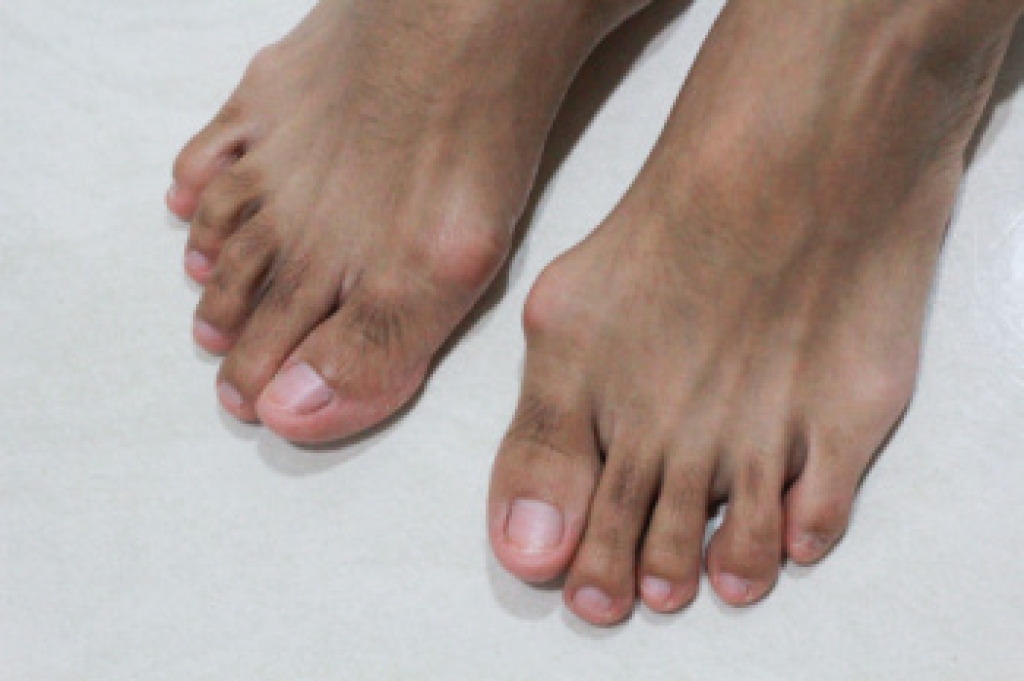
Bunions and bunionettes are bony growths that develop at the joints of the toes, often causing discomfort and changes in foot shape. A bunion forms at the base of the big toe, while a bunionette occurs at the base of the fifth toe. These areas may look swollen, red, or enlarged, and can feel sore with pressure from shoes or walking. The affected toes may shift out of alignment, leading to crowding or rubbing against neighboring toes. Common causes include inherited foot structure, wearing improper footwear, and repetitive stress on the joints. A podiatrist can evaluate alignment, assess joint movement, and use imaging to determine severity. Treatment may include wearing wider footwear, padding, and targeted exercises to reduce discomfort and slow progression. In more advanced cases, surgery may be considered. If you have a painful bunion or bunionette, it is suggested that you schedule an appointment with a podiatrist for appropriate relief and management tips.
If you are suffering from bunions, contact Steven Spivak, DPM of Mount Holly Family Footcare. Our doctor can provide the care you need to keep you pain-free and on your feet.
What Is a Bunion?
A bunion is formed of swollen tissue or an enlargement of boney growth, usually located at the base joint of the toe that connects to the foot. The swelling occurs due to the bones in the big toe shifting inward, which impacts the other toes of the foot. This causes the area around the base of the big toe to become inflamed and painful.
Why Do Bunions Form?
Genetics – Susceptibility to bunions are often hereditary
Stress on the feet – Poorly fitted and uncomfortable footwear that places stress on feet, such as heels, can worsen existing bunions
How Are Bunions Diagnosed?
Podiatrists often perform two tests – blood tests and x-rays – when trying to diagnose bunions, especially in the early stages of development. Blood tests help determine if the foot pain is being caused by something else, such as arthritis, while x-rays provide a clear picture of your bone structure to your provider.
How Are Bunions Treated?
If you have any questions, please feel free to contact our office located in Lumberton, NJ . We offer the newest diagnostic and treatment technologies for all your foot care needs.
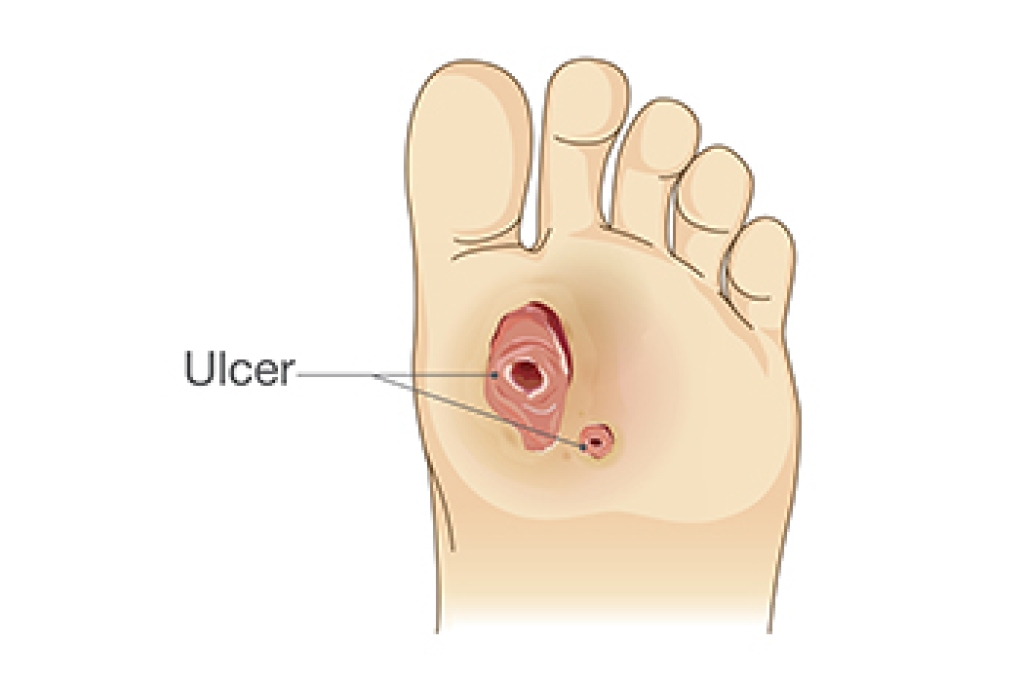
Diabetic foot ulcers are open wounds that develop due to poor circulation and nerve damage. These ulcers commonly form on pressure areas of the foot and may heal slowly, increasing the risk of infection. Treatment typically involves a combination of approaches to support healing and reduce complications. Standard care includes cleaning the wound, removing damaged tissue, and reducing pressure with specialized footwear or devices. Additional therapies may include advanced dressings, infection control, and methods to improve circulation. A podiatrist can evaluate the ulcer, assess overall foot health, and determine the most appropriate plan of care. If you have a diabetic foot ulcer, it is suggested that you are under the care of a podiatrist who can offer effective relief solutions and management advice.
Diabetic foot care is important in preventing foot ailments such as ulcers. If you are suffering from diabetes or have any other concerns about your feet, contact Steven Spivak, DPM from Mount Holly Family Footcare. Our doctor can provide the care you need to keep you pain-free and on your feet.
Diabetic Foot Care
Diabetes affects millions of people every year. The condition can damage blood vessels in many parts of the body, especially the feet. Because of this, taking care of your feet is essential if you have diabetes, and having a podiatrist help monitor your foot health is highly recommended.
The Importance of Caring for Your Feet
Patients with diabetes should have their doctor monitor their blood levels, as blood sugar levels play such a huge role in diabetic care. Monitoring these levels on a regular basis is highly advised.
It is always best to inform your healthcare professional of any concerns you may have regarding your feet, especially for diabetic patients. Early treatment and routine foot examinations are keys to maintaining proper health, especially because severe complications can arise if proper treatment is not applied.
If you have any questions, please feel free to contact our office located in Lumberton, NJ . We offer the newest diagnostic and treatment technologies for all your foot care needs.
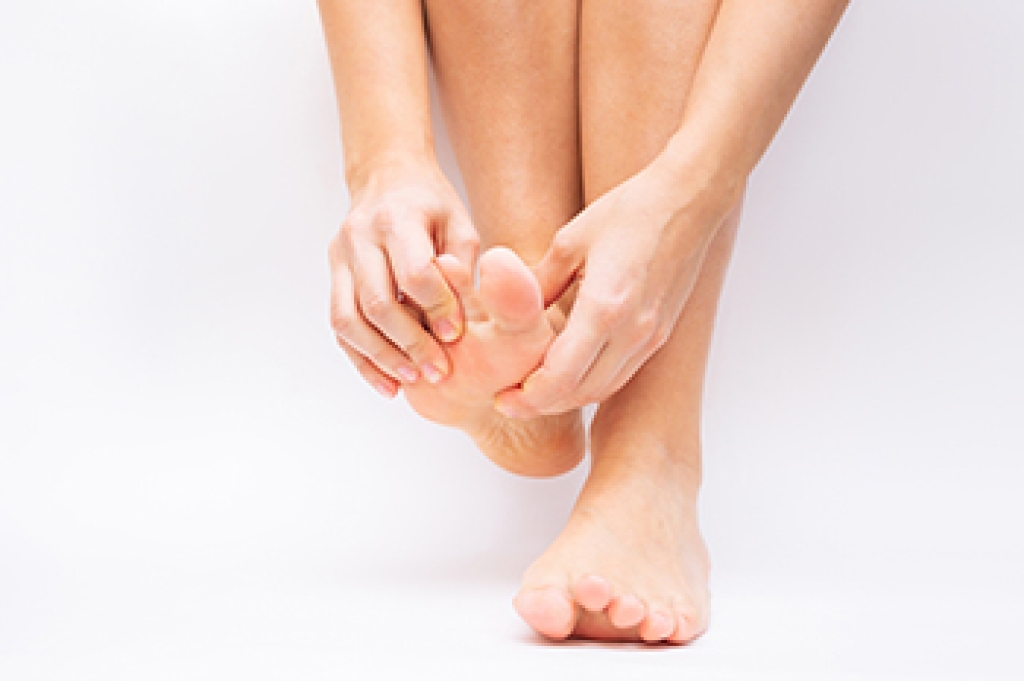
Big toe joint pain can develop from several conditions that affect movement and weight-bearing. One common cause of big toe joint pain is arthritis of the joint. This occurs when cartilage wears down and leads to stiffness, pain, and reduced motion over time. Bunions can also create big toe joint pain by shifting the toe out of alignment and forming a hard bump at the base. Sudden, intense big toe pain may be linked to gout, caused when crystals build up in the joint and cause swelling and redness. Pain under the toe can come from irritation of two small bones beneath the big toe joint due to repeated pressure. Injuries, such as a sprain from bending the toe too far backward, can also lead to ongoing discomfort. Nerve irritation may cause burning or tingling sensations. A podiatrist can examine the big toe joint, assess movement, and use imaging to identify the exact cause and guide treatment. If you have big toe joint pain, it is suggested that you make an appointment with a podiatrist.
Toe pain can disrupt your daily activities. If you have any concerns, contact Steven Spivak, DPM of Mount Holly Family Footcare. Our doctor can provide the care you need to keep you pain-free and on your feet.
What Causes Toe Pain?
Most severe toe pain is caused due to a sports injury, trauma from dropping something heavy on the toe, or bumping into something rigid. Other problems can develop over time for various reasons.
Toe pain can be caused by one or more ailments. The most common include:
When to See a Podiatrist
Diagnosis
In many cases the cause of toe pain is obvious, but in others, a podiatrist may want to use more advanced methods to determine the problem. These can range from simple visual inspections and sensation tests to X-rays and MRI scans. Prior medical history, family medical history, and any recent physical traumatic events will all be taken into consideration for a proper diagnosis.
Treatment
Treatments for toe pain and injuries vary and may include shoe inserts, padding, taping, medicines, injections, and in some cases, surgery. If you believe that you have broken a toe, please see a podiatrist as soon as possible.
If you have any questions please contact our office located in Lumberton, NJ . We offer the newest diagnostic and treatment technologies for all your foot and ankle needs.