Same day appointments. Call Now!

Blog

Who Is Prone to Getting Cuboid Syndrome?

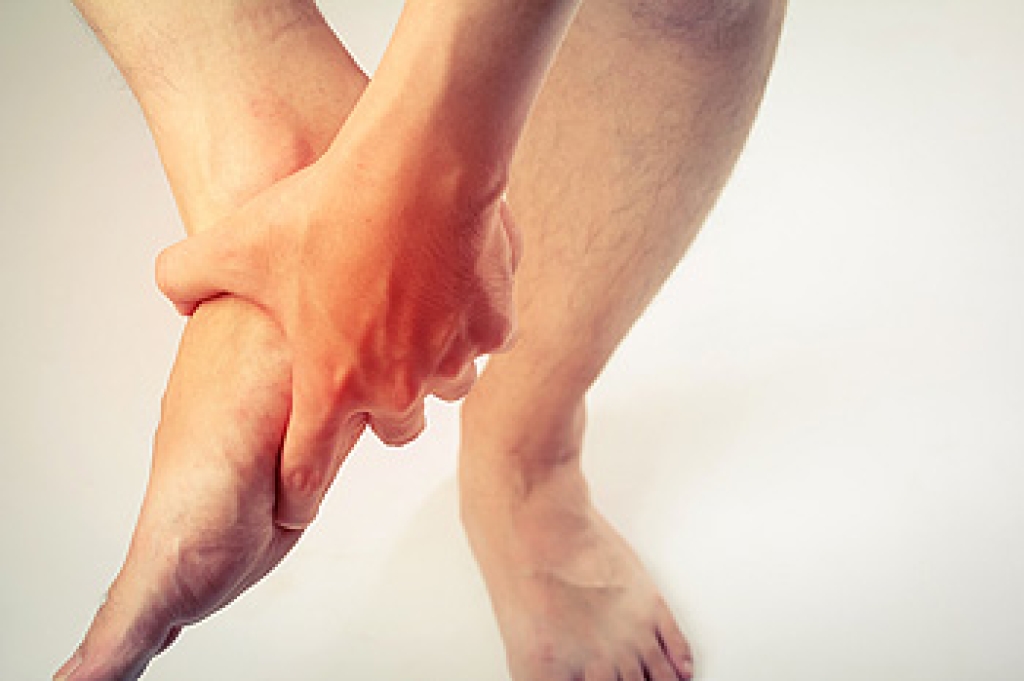
The cuboid bone is located on the outer edge of the foot, and is responsible for maintaining movement while walking. A sudden injury or gradual decline can cause the cuboid bone to shift, and this can make completing daily activities difficult. Cuboid syndrome occurs when this bone shifts and the surrounding tendons and ligaments become inflamed. Patients who frequently wear high heels can endure a cuboid bone injury, and ballet dancers often notice this is as a common ailment. The pain that is generally felt with this condition is on the outside and sole of the foot, which can cause severe pain and discomfort. If you are afflicted with cuboid syndrome, it is strongly suggested that you speak with a podiatrist who can guide you toward proper treatment options. 

Cuboid syndrome, also known as cuboid subluxation, occurs when the joints and ligaments near the cuboid bone in the foot become torn. If you have cuboid syndrome, consult with Steven Spivak, DPM from Mount Holly Family Footcare. Our doctor will assess your condition and provide you with quality foot and ankle treatment.

Cuboid syndrome is a common cause of lateral foot pain, which is pain on the outside of the foot. The condition may happen suddenly due to an ankle sprain, or it may develop slowly overtime from repetitive tension through the bone and surrounding structures.

Causes

The most common causes of cuboid syndrome include:

  • Injury – The most common cause of this ailment is an ankle sprain.
  • Repetitive Strain – Tension placed through the peroneus longus muscle from repetitive activities such as jumping and running may cause excessive traction on the bone causing it to sublux.
  • Altered Foot Biomechanics – Most people suffering from cuboid subluxation have flat feet.

Symptoms

A common symptom of cuboid syndrome is pain along the outside of the foot which can be felt in the ankle and toes. This pain may create walking difficulties and may cause those with the condition to walk with a limp.

Diagnosis

Diagnosis of cuboid syndrome is often difficult, and it is often misdiagnosed. X-rays, MRIs and CT scans often fail to properly show the cuboid subluxation. Although there isn’t a specific test used to diagnose cuboid syndrome, your podiatrist will usually check if pain is felt while pressing firmly on the cuboid bone of your foot.

Treatment

Just as the range of causes varies widely, so do treatments. Some more common treatments are ice therapy, rest, exercise, taping, and orthotics.

If you have any questions, please feel free to contact our office located in Lumberton, NJ . We offer the newest diagnostic and treatment technologies for all your foot care needs.
Read more about Cuboid Syndrome

When Your Toes Pop and Crack

Hearing your toes crack when you move them can be unsettling, but in many cases, it is not a sign of something serious. The cracking or popping sound, known as crepitus, often occurs when small gas bubbles in the joint fluid collapse or burst as the toes bend. This can come on with age, is usually harmless, and does not indicate damage. However, frequent or painful cracking may point to an underlying issue. Crepitus can sometimes be related to joint stiffness, early arthritis, or wear and tear in the cartilage. Inflammation of tendons or ligaments surrounding the toes can also cause snapping or popping sensations. If you notice swelling, redness, or discomfort with the cracking, it may be a sign that the joints are under stress. While occasional toe cracking without pain is usually nothing to worry about, ongoing symptoms should not be ignored. If  you have this condition, It is suggested that you see a podiatrist for an accurate diagnosis and advice on the best treatment options.

Toe pain can disrupt your daily activities. If you have any concerns, contact Steven Spivak, DPM of Mount Holly Family Footcare. Our doctor can provide the care you need to keep you pain-free and on your feet.

What Causes Toe Pain?

Most severe toe pain is caused due to a sports injury, trauma from dropping something heavy on the toe, or bumping into something rigid. Other problems can develop over time for various reasons.

Toe pain can be caused by one or more ailments. The most common include:

  • Trauma
  • Sports injury
  • Wearing shoes that are too tight
  • Arthritis
  • Gout
  • Corns and calluses
  • Hammertoe
  • Bunions
  • Blisters
  • Ingrown toenails
  • Sprains
  • Fractures (broken bones)
  • Dislocations

When to See a Podiatrist

  • Severe pain
  • Persistent pain that lasts more than a week
  • Signs of infection
  • Continued swelling
  • Pain that prevents walking

Diagnosis

In many cases the cause of toe pain is obvious, but in others, a podiatrist may want to use more advanced methods to determine the problem. These can range from simple visual inspections and sensation tests to X-rays and MRI scans. Prior medical history, family medical history, and any recent physical traumatic events will all be taken into consideration for a proper diagnosis.

Treatment

Treatments for toe pain and injuries vary and may include shoe inserts, padding, taping, medicines, injections, and in some cases, surgery. If you believe that you have broken a toe, please see a podiatrist as soon as possible.

If you have any questions please contact our office located in Lumberton, NJ . We offer the newest diagnostic and treatment technologies for all your foot and ankle needs.

Read more about Toe Pain

Essential Foot Care Tips for Seniors

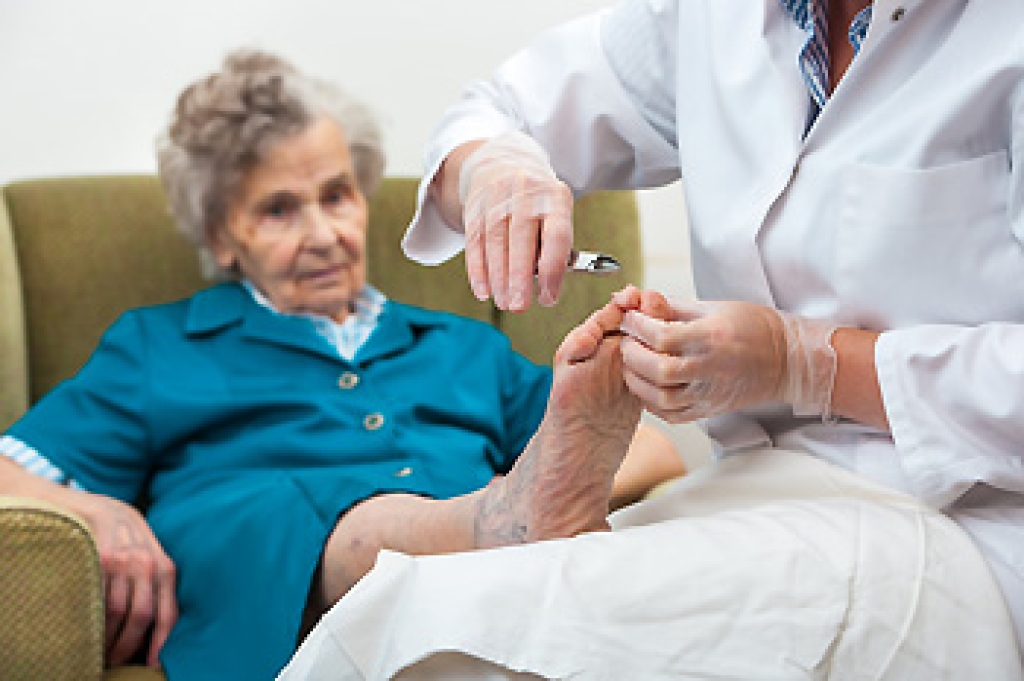
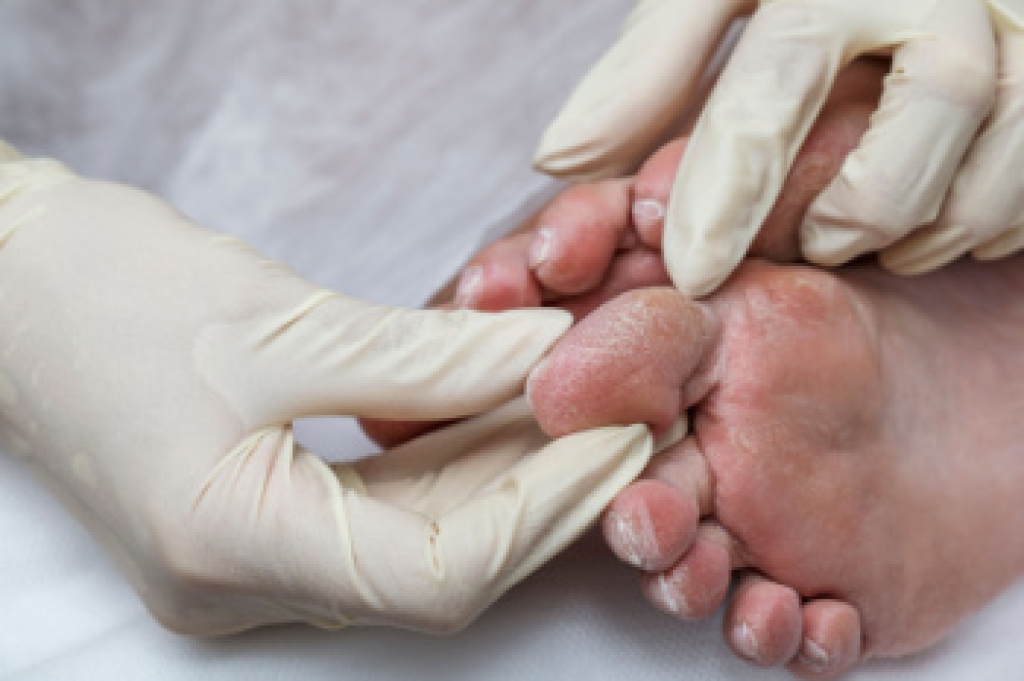
Proper foot care is vital for seniors to maintain mobility and prevent complications. Checking feet daily helps identify issues early, including cuts, sores, or infections, especially for those with diabetes or thinning skin. Wearing shoes that fit properly and that provide adequate support can prevent blisters, calluses, and joint pain. Maintaining clean, dry feet and trimming toenails correctly reduces the risk of infections. A podiatrist can evaluate foot health, treat existing conditions, recommend appropriate footwear, and provide guidance on exercises to strengthen the feet. If you have painful or problematic foot conditions, it is suggested that you are under the care of a podiatrist for treatment and guidance on more effective elderly foot care tips. 

Proper foot care is something many older adults forget to consider. If you have any concerns about your feet and ankles, contact Steven Spivak, DPM from Mount Holly Family Footcare. Our doctor can provide the care you need to keep you pain-free and on your feet.

The Elderly and Their Feet

As we age we start to notice many changes in our body, but the elder population may not notice them right away. Medical conditions may prevent the elderly to take notice of their foot health right away. Poor vision is a lead contributor to not taking action for the elderly.

Common Conditions 

  • Neuropathy – can reduce feeling in the feet and can hide many life-threatening medical conditions.
  • Reduced flexibility – prevents the ability of proper toenail trimming, and foot cleaning. If left untreated, it may lead to further medical issues.
  • Foot sores – amongst the older population can be serious before they are discovered. Some of the problematic conditions they may face are:
  • Gouging toenails affecting nearby toe
  • Shoes that don’t fit properly
  • Pressure sores
  • Loss of circulation in legs & feet
  • Edema & swelling of feet and ankles

Susceptible Infections

Diabetes and poor circulation can cause general loss of sensitivity over the years, turning a simple cut into a serious issue.

If you have any questions, please feel free to contact our office located in Lumberton, NJ . We offer the newest diagnostic and treatment technologies for all your foot care needs.
Read more about Geriatrics and Podiatry

The Silent Damage High Blood Sugar Can Cause in Your Feet

Living with diabetes and elevated blood sugar can quietly harm the feet in ways that are easy to overlook. Over time, excess glucose can injure the nerves, leading to tingling, numbness, or burning sensations. This makes it harder to detect small cuts, blisters, or irritations, which can turn into more serious problems, if not treated quickly. High blood sugar also weakens circulation by narrowing blood vessels, reducing the delivery of oxygen and nutrients needed for healing. With slower recovery, even minor skin cracks or sores can become infected. The combination of poor sensation and impaired blood flow increases the risk of ulcers and long-term complications. Daily foot checks, wearing supportive footwear, and maintaining stable blood sugar levels are crucial steps in preventing these problems. If you have diabetes, it is suggested that you visit a podiatrist regularly to ensure that changes in your feet are caught early and managed with the right care.

Diabetic foot care is important in preventing foot ailments such as ulcers. If you are suffering from diabetes or have any other concerns about your feet, contact Steven Spivak, DPM from Mount Holly Family Footcare. Our doctor can provide the care you need to keep you pain-free and on your feet.

Diabetic Foot Care

Diabetes affects millions of people every year. The condition can damage blood vessels in many parts of the body, especially the feet. Because of this, taking care of your feet is essential if you have diabetes, and having a podiatrist help monitor your foot health is highly recommended.

The Importance of Caring for Your Feet

  • Routinely inspect your feet for bruises or sores.
  • Wear socks that fit your feet comfortably.
  • Wear comfortable shoes that provide adequate support.

Patients with diabetes should have their doctor monitor their blood levels, as blood sugar levels play such a huge role in diabetic care. Monitoring these levels on a regular basis is highly advised.

It is always best to inform your healthcare professional of any concerns you may have regarding your feet, especially for diabetic patients. Early treatment and routine foot examinations are keys to maintaining proper health, especially because severe complications can arise if proper treatment is not applied.

If you have any questions, please feel free to contact our office located in Lumberton, NJ . We offer the newest diagnostic and treatment technologies for all your foot care needs.
Read more about How to Care for Diabetic Foot

Facts About Flat Feet

Flat feet, also called pes planus, occur when the longitudinal arch along the inside of the foot is lowered or absent, causing the entire sole to touch the ground. This condition may affect one or both feet and is common in children until the arch develops, usually by the age of 5. Some people remain flat-footed into adulthood without symptoms, while others may begin to feel pain in the feet, toes, or ankles. Discomfort may arise from excessive standing, running, or jumping, poorly fitted shoes, sudden weight gain, or injury. Flat feet can also be inherited or linked to conditions such as diabetes or arthritis. A podiatrist can evaluate the structure of the feet, recommend orthotics for improved alignment, and in rare cases, discuss surgery if severe problems occur. If you have pain related to flat feet, it is suggested that you make an appointment with a podiatrist for an evaluation and treatment options.

Flatfoot is a condition many people suffer from. If you have flat feet, contact Steven Spivak, DPM from Mount Holly Family Footcare. Our doctor will treat your foot and ankle needs.

What Are Flat Feet?

Flatfoot is a condition in which the arch of the foot is depressed and the sole of the foot is almost completely in contact with the ground. About 20-30% of the population generally has flat feet because their arches never formed during growth.

Conditions & Problems:

Having flat feet makes it difficult to run or walk because of the stress placed on the ankles.

Alignment – The general alignment of your legs can be disrupted, because the ankles move inward which can cause major discomfort.

Knees – If you have complications with your knees, flat feet can be a contributor to arthritis in that area.  

Symptoms

  • Pain around the heel or arch area
  • Trouble standing on the tip toe
  • Swelling around the inside of the ankle
  • Flat look to one or both feet
  • Having your shoes feel uneven when worn

Treatment

If you are experiencing pain and stress on the foot you may weaken the posterior tibial tendon, which runs around the inside of the ankle. 

If you have any questions, please feel free to contact our office located in Lumberton, NJ . We offer the newest diagnostic and treatment technologies for all your foot care needs.

Read more about Flat Feet
Connect with us
fb ico Leave Google Review for Mount Holly Family Footcare blog