
Custom orthotics, or shoe inserts, should be periodically replaced. Orthotics must fit properly to give you the best results. Protect your feet and ankles!
Custom orthotics, or shoe inserts, should be periodically replaced. Orthotics must fit properly to give you the best results. Protect your feet and ankles!

Gout is a form of inflammatory arthritis caused by the buildup of uric acid crystals in the joints, often affecting the big toe. It can cause sudden episodes of intense pain, redness, swelling, and warmth in the affected area. Risk factors include certain medications, obesity, previous joint trauma, kidney disease, genetics, and dehydration, all of which can increase uric acid levels or trigger flare-ups. A podiatrist can help by diagnosing the condition, managing pain, reducing inflammation, and providing guidance on lifestyle changes to prevent future attacks. If you experience severe joint pain in your big toe or foot, it is suggested that you are under the care of a podiatrist who can help you to manage this painful condition.
Gout is a foot condition that requires certain treatment and care. If you are seeking treatment, contact Steven Spivak, DPM from Mount Holly Family Footcare. Our doctor will treat your foot and ankle needs.
What Is Gout?
Gout is a type of arthritis caused by a buildup of uric acid in the bloodstream. It often develops in the foot, especially the big toe area, although it can manifest in other parts of the body as well. Gout can make walking and standing very painful and is especially common in diabetics and the obese.
People typically get gout because of a poor diet. Genetic predisposition is also a factor. The children of parents who have had gout frequently have a chance of developing it themselves.
Gout can easily be identified by redness and inflammation of the big toe and the surrounding areas of the foot. Other symptoms include extreme fatigue, joint pain, and running high fevers. Sometimes corticosteroid drugs can be prescribed to treat gout, but the best way to combat this disease is to get more exercise and eat a better diet.
If you have any questions, please feel free to contact our office located in Lumberton, NJ . We offer the newest diagnostic and treatment technologies for all your foot care needs.

Pickleball can place significant strain on the feet and ankles due to the frequent pivoting, jumping, and quick side-to-side movements involved in the game. Ankle sprains are a common pickleball injury, occurring when the foot rolls awkwardly and stretches or tears the ligaments. Repeated strain from quick movements can also lead to Achilles tendonitis, which causes pain and stiffness in the tendon that connects the heel to the calf. Heel pain from plantar fasciitis is another frequent problem, often linked to playing on hard surfaces or wearing shoes that lack adequate support. A podiatrist can help by identifying the specific cause of foot or ankle pain and providing the necessary treatment to promote healing and reduce the risk of further injury. If you have a foot or ankle injury from playing pickleball, it is suggested that you schedule an appointment with a podiatrist for an exam and appropriate treatment options.
Sports related foot and ankle injuries require proper treatment before players can go back to their regular routines. For more information, contact Steven Spivak, DPM of Mount Holly Family Footcare. Our doctor can provide the care you need to keep you pain-free and on your feet.
Sports Related Foot and Ankle Injuries
Foot and ankle injuries are a common occurrence when it comes to athletes of any sport. While many athletes dismiss the initial aches and pains, the truth is that ignoring potential foot and ankle injuries can lead to serious problems. As athletes continue to place pressure and strain the area further, a mild injury can turn into something as serious as a rupture and may lead to a permanent disability. There are many factors that contribute to sports related foot and ankle injuries, which include failure to warm up properly, not providing support or wearing bad footwear. Common injuries and conditions athletes face, including:
Sports related injuries are commonly treated using the RICE method. This includes rest, applying ice to the injured area, compression and elevating the ankle. More serious sprains and injuries may require surgery, which could include arthroscopic and reconstructive surgery. Rehabilitation and therapy may also be required in order to get any recovering athlete to become fully functional again. Any unusual aches and pains an athlete sustains must be evaluated by a licensed, reputable medical professional.
If you have any questions please contact our office located in Lumberton, NJ . We offer the newest diagnostic and treatment technologies for all your foot and ankle needs.

A broken ankle occurs when one or more bones in the ankle joint fracture due to trauma or excessive force. Diagnosis typically involves a physical exam and imaging studies to determine the severity and type of fracture. Common types include a Pott’s fracture, which involves the fibula near the ankle, and an avulsion fracture, where a small piece of bone is pulled away by a ligament or tendon. Symptoms include sudden pain, swelling, bruising, and difficulty bearing weight. Causes range from sports injuries to falls or accidents. A podiatrist can assess the injury, provide stabilization, and guide treatment. If you suspect you have fractured your ankle, it is suggested that you schedule an immediate podiatry visit for appropriate treatment solutions.
Broken ankles need immediate treatment. If you are seeking treatment, contact Steven Spivak, DPM from Mount Holly Family Footcare. Our doctor can provide the care you need to keep you pain-free and on your feet.
Broken Ankles
A broken ankle is experienced when a person fractures their tibia or fibula in the lower leg and ankle area. Both of these bones are attached at the bottom of the leg and combine to form what we know to be our ankle.
When a physician is referring to a break of the ankle, he or she is usually referring to a break in the area where the tibia and fibula are joined to create our ankle joint. Ankles are more prone to fractures because the ankle is an area that suffers a lot of pressure and stress. There are some obvious signs when a person experiences a fractured ankle, and the following symptoms may be present.
Symptoms of a Fractured Ankle
If you suspect an ankle fracture, it is recommended to seek treatment as soon as possible. The sooner you have your podiatrist diagnose the fracture, the quicker you’ll be on the way towards recovery.
If you have any questions, please feel free to contact our office located in Lumberton, NJ . We offer the newest diagnostic and treatment technologies for all your foot care needs.
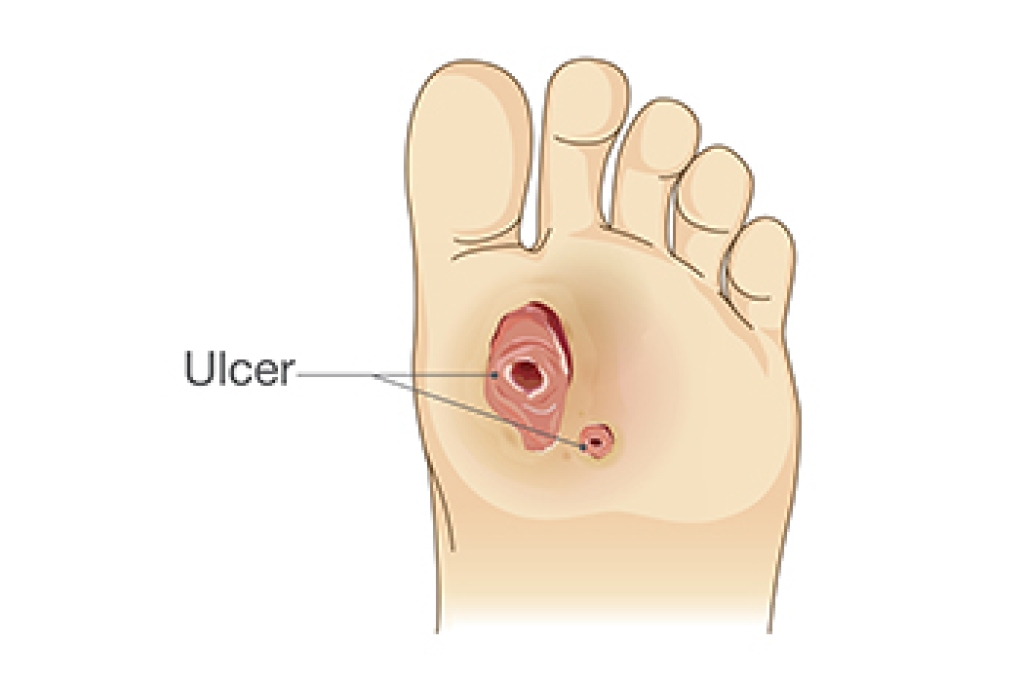
A diabetic foot ulcer is an open wound or sore that typically forms on the bottom of the foot in individuals with diabetes. Poor circulation and reduced sensation increase the risk of skin breakdown, making even minor injuries potentially serious. Proper care includes keeping the ulcer clean, covered, and protected from pressure. Managing blood sugar levels and inspecting the feet daily are also important. A podiatrist provides expert wound care, offloading solutions, and guidance to prevent infection and promote healing. If you have diabetes and notice a sore on your foot, do not delay. It is suggested that you are under the care of a podiatrist who can effectively treat diabetic foot ulcers, and help you to manage this serious condition.
Wound care is an important part in dealing with diabetes. If you have diabetes and a foot wound or would like more information about wound care for diabetics, consult with Steven Spivak, DPM from Mount Holly Family Footcare. Our doctor will assess your condition and provide you with quality foot and ankle treatment.
What Is Wound Care?
Wound care is the practice of taking proper care of a wound. This can range from the smallest to the largest of wounds. While everyone can benefit from proper wound care, it is much more important for diabetics. Diabetics often suffer from poor blood circulation which causes wounds to heal much slower than they would in a non-diabetic.
What Is the Importance of Wound Care?
While it may not seem apparent with small ulcers on the foot, for diabetics, any size ulcer can become infected. Diabetics often also suffer from neuropathy, or nerve loss. This means they might not even feel when they have an ulcer on their foot. If the wound becomes severely infected, amputation may be necessary. Therefore, it is of the upmost importance to properly care for any and all foot wounds.
How to Care for Wounds
The best way to care for foot wounds is to prevent them. For diabetics, this means daily inspections of the feet for any signs of abnormalities or ulcers. It is also recommended to see a podiatrist several times a year for a foot inspection. If you do have an ulcer, run the wound under water to clear dirt from the wound; then apply antibiotic ointment to the wound and cover with a bandage. Bandages should be changed daily and keeping pressure off the wound is smart. It is advised to see a podiatrist, who can keep an eye on it.
If you have any questions please contact our office located in Lumberton, NJ . We offer the newest diagnostic and treatment technologies for all your foot and ankle needs.