
Have your child's feet been examined lately? Healthy feet are happy feet. If your child is complaining of foot pain, it may be a sign of underlying problems.
Have your child's feet been examined lately? Healthy feet are happy feet. If your child is complaining of foot pain, it may be a sign of underlying problems.
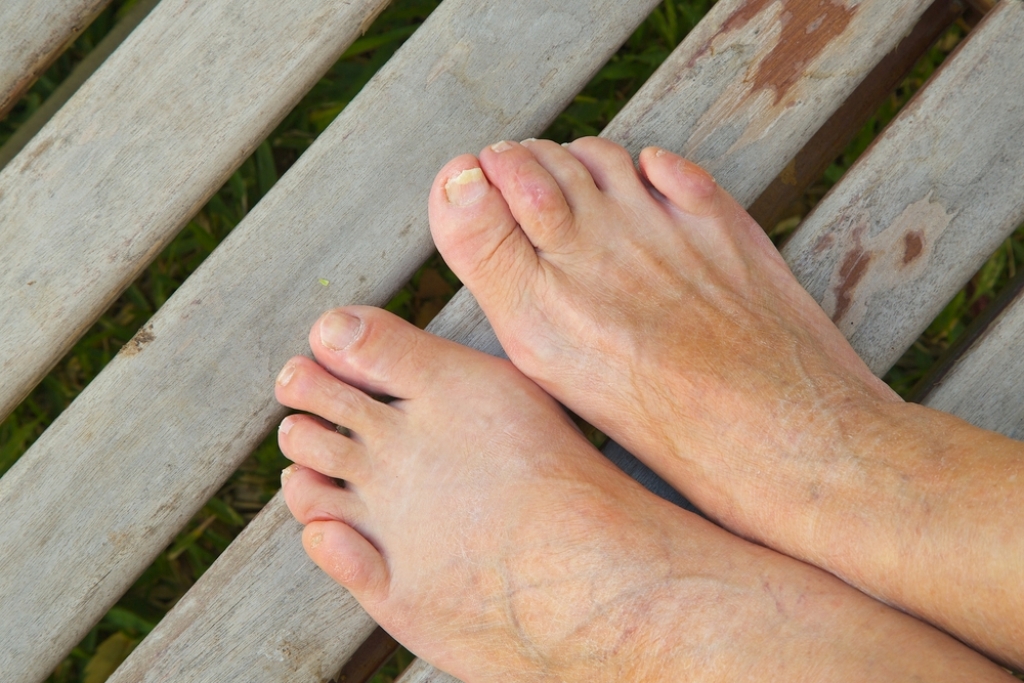
Hammertoe is a deformity in which one of the smaller toes bends downward at the middle joint, creating a curled or claw-like appearance. It may look raised or misaligned, and may develop corns or calluses where the toe joint rubs against footwear. Symptoms include stiffness, irritation, swelling, and pain that can make walking difficult. The condition may feel tender, cramped, or sore, especially while wearing tight shoes. Causes include muscle imbalance, arthritis, previous injury, or wearing shoes that are too narrow or too short. A podiatrist can begin by examining the affected toe joint, assessing its flexibility, and identifying any underlying biomechanical factors. Once a diagnosis is made, treatment options include footwear changes, protective padding, custom orthotics, or splinting to improve alignment. In more advanced cases, surgery may be recommended to restore function and relieve chronic discomfort. Because early care can reduce symptoms and prevent progression, it is suggested that you schedule an appointment with a podiatrist for effective treatment solutions.
Hammertoe
Hammertoes can be a painful condition to live with. For more information, contact Steven Spivak, DPM from Mount Holly Family Footcare. Our doctor will answer any of your foot- and ankle-related questions.
Hammertoe is a foot deformity that affects the joints of the second, third, fourth, or fifth toes of your feet. It is a painful foot condition in which these toes curl and arch up, which can often lead to pain when wearing footwear.
Symptoms
Causes
Genetics – People who are genetically predisposed to hammertoe are often more susceptible
Arthritis – Because arthritis affects the joints in your toes, further deformities stemming from arthritis can occur
Trauma – Direct trauma to the toes could potentially lead to hammertoe
Ill-fitting shoes – Undue pressure on the front of the toes from ill-fitting shoes can potentially lead to the development of hammertoe
Treatment
Orthotics – Custom made inserts can be used to help relieve pressure placed on the toes and therefore relieve some of the pain associated with it
Medications – Oral medications such as anti-inflammatories or NSAIDs could be used to treat the pain and inflammation hammertoes causes. Injections of corticosteroids are also sometimes used
Surgery – In more severe cases where the hammertoes have become more rigid, foot surgery is a potential option
If you have any questions, please feel free to contact our office located in Lumberton, NJ . We offer the newest diagnostic and treatment technologies for all your foot care needs.
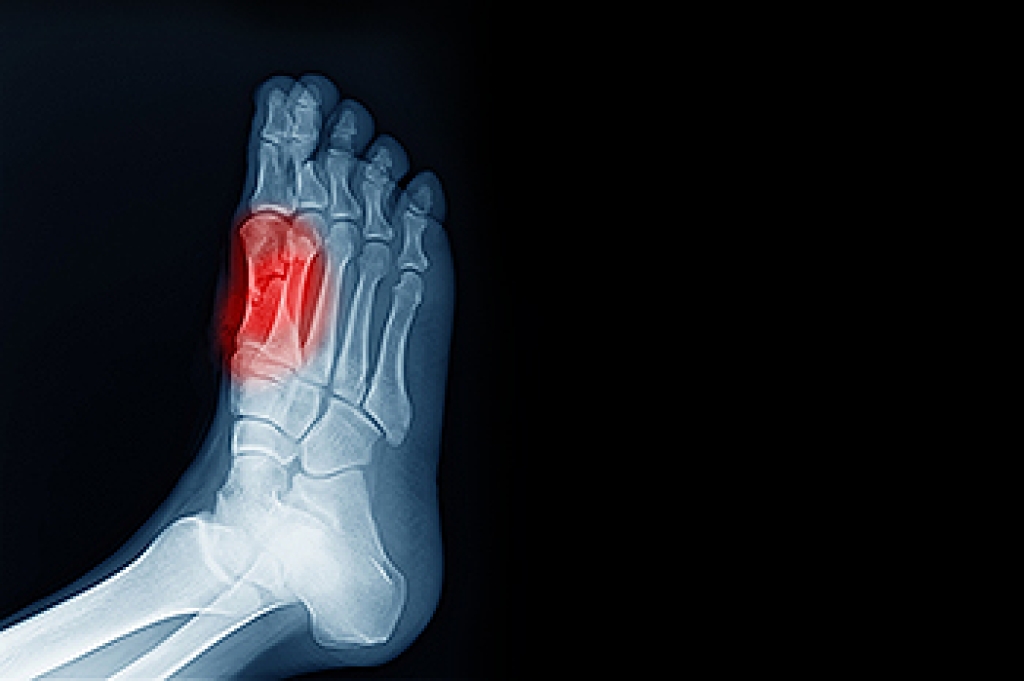
Sesamoiditis affects the small sesamoid bones located beneath the big toe joint near the ball of the foot. It occurs when these bones become inflamed, often due to repetitive pressure or overuse, making it a common concern for runners and athletes who place repeated stress on the forefoot. Symptoms include pain under the big toe, swelling, tenderness when walking or running, and difficulty bearing weight on the affected foot. Causes can include high-impact activities, wearing improper footwear, flat feet, or increased training intensity. A podiatrist can evaluate the foot, provide custom orthotics, recommend activity modifications, and implement therapies such as padding, taping, or targeted exercises to reduce stress on the sesamoid bones. If you have pain in this part of your foot, it is suggested you consult a podiatrist who can accurately diagnose and treat what may be going on.
Sesamoiditis is an unpleasant foot condition characterized by pain in the balls of the feet. If you think you’re struggling with sesamoiditis, contact Steven Spivak, DPM of Mount Holly Family Footcare. Our doctor will treat your condition thoroughly and effectively.
Sesamoiditis
Sesamoiditis is a condition of the foot that affects the ball of the foot. It is more common in younger people than it is in older people. It can also occur with people who have begun a new exercise program, since their bodies are adjusting to the new physical regimen. Pain may also be caused by the inflammation of tendons surrounding the bones. It is important to seek treatment in its early stages because if you ignore the pain, this condition can lead to more serious problems such as severe irritation and bone fractures.
Causes of Sesamoiditis
Treatment for sesamoiditis is non-invasive and simple. Doctors may recommend a strict rest period where the patient forgoes most physical activity. This will help give the patient time to heal their feet through limited activity. For serious cases, it is best to speak with your doctor to determine a treatment option that will help your specific needs.
If you have any questions, please feel free to contact our office located in Lumberton, NJ . We offer the newest diagnostic and treatment technologies for all your foot care needs.
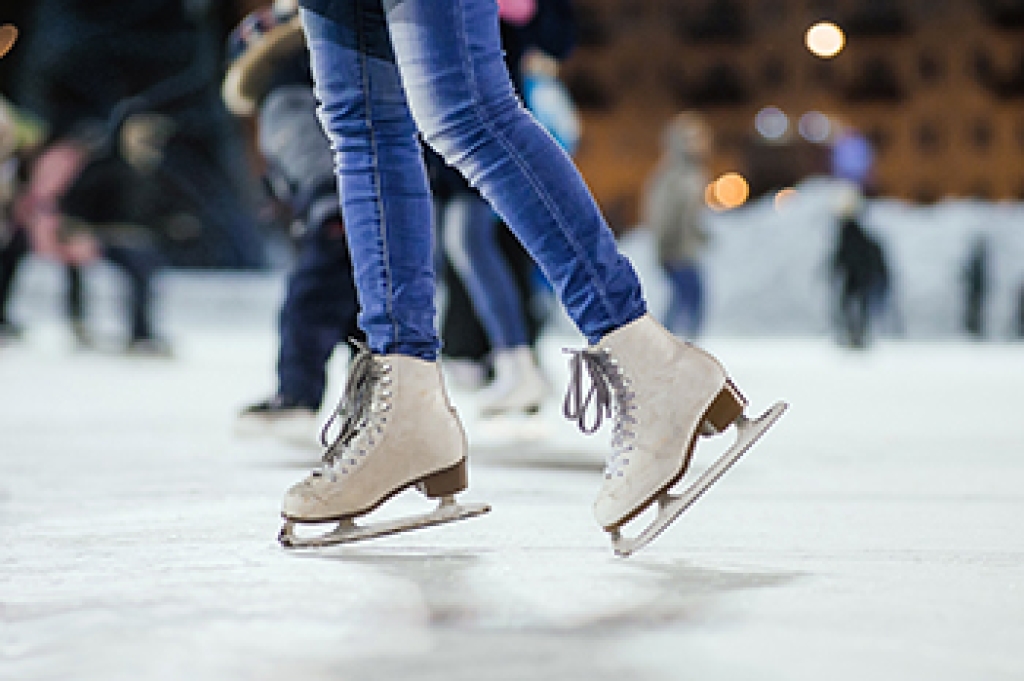
Ice skating places unique pressure on the feet and ankles. It can cause pain when stiff boots press against the front of the ankle, or when the tongue of the skate irritates the tendons that run down into the toes. This pressure can lead to a condition known as “lace bite,” which is irritation caused by tight laces or a rigid skate tongue that pushes into the top of the foot. Symptoms include aching across the front of the ankle, swelling, or a bruised feeling even when no bruise is visible. Skates that lack adequate support, new skates that are not fully broken in, or very tight lacing can increase strain on the tendons that help lift the foot. A podiatrist can evaluate the source of pain, check for tendon irritation, and recommend the best treatment. In severe cases, surgery may be suggested if damage is significant. If you frequently experience foot or ankle pain after ice skating, it is suggested that you make an appointment with a podiatrist for a diagnosis and treatment.
Ankle and foot injuries are common among athletes and in many sports. They can be caused by several problems and may be potentially serious. If you are feeling pain or think you were injured in a sporting event or when exercising, consult with Steven Spivak, DPM from Mount Holly Family Footcare. Our doctor will assess your condition and provide you with quality foot and ankle treatment.
Common Injuries
The most common injuries that occur in sporting activities include:
Symptoms
Symptoms vary depending upon the injury and in some cases, there may be no symptoms at all. However, in most cases, some form of symptom is experienced. Pain, aching, burning, bruising, tenderness, tightness or stiffness, sensation loss, difficulty moving, and swelling are the most common symptoms.
Treatment
Just as symptoms vary depending upon the injury, so do treatment options. A common treatment method is known as the RICE method. This method involves rest, applying ice, compression and elevating the afflicted foot or ankle. If the injury appears to be more serious, surgery might be required, such as arthroscopic or reconstructive surgery. Lastly, rehabilitation or therapy might be needed to gain full functionality in the afflicted area. Any discomfort experienced by an athlete must be evaluated by a licensed, reputable medical professional.
If you have any questions please contact our office located in Lumberton, NJ . We offer the newest diagnostic and treatment technologies for all your foot and ankle needs.
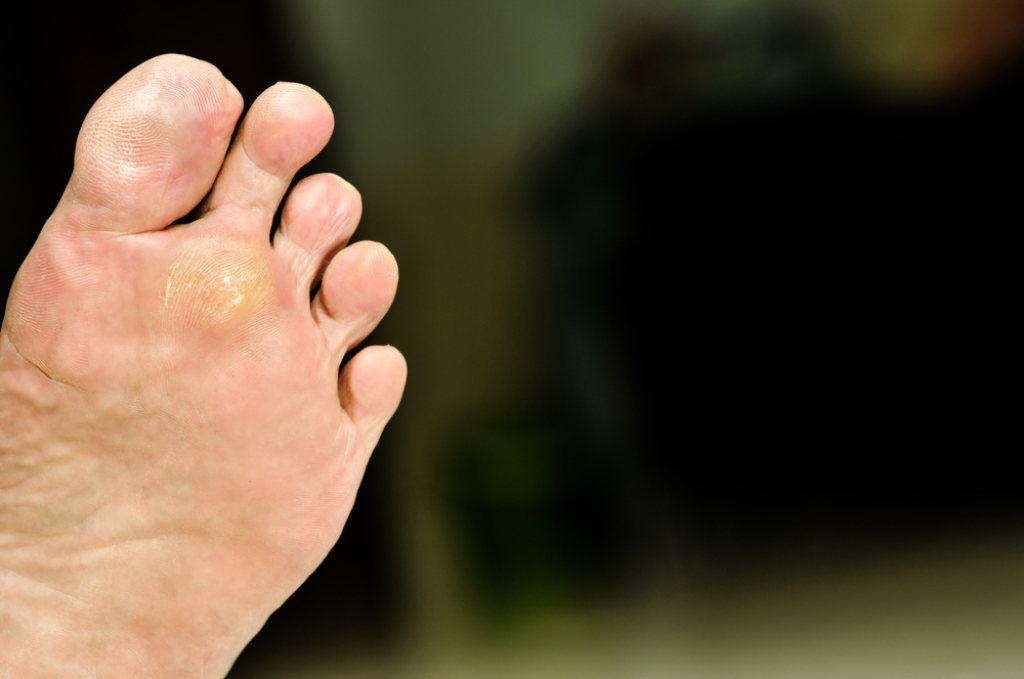
Plantar warts are small growths on the soles of the feet caused by the human papillomavirus, or HPV, which enters the skin through tiny cuts or abrasions. They are commonly found on weight bearing areas, such as the heels or balls of the feet. A plantar wart may appear as a rough, grainy patch with small black dots, which are tiny blood vessels. They can feel painful or tender, especially when walking or standing for long periods, and some may cause a feeling of pressure, like walking on a small pebble. Plantar warts are more common in children and young adults, and they can spread through direct contact with contaminated surfaces like locker rooms or swimming pool areas. A podiatrist can evaluate the lesion to confirm the diagnosis and rule out other conditions. Treatments may include topical therapies or minor surgical removal. Early intervention helps reduce discomfort and prevent spreading. If you notice persistent growths on your feet, it is suggested that you make an appointment with a podiatrist.
Plantar warts can be very uncomfortable. If you need your feet checked, contact Steven Spivak, DPM from Mount Holly Family Footcare. Our doctor will assist you with all of your foot and ankle needs.
About Plantar Warts
Plantar warts are the result of HPV, or human papillomavirus, getting into open wounds on the feet. They are mostly found on the heels or balls of the feet.
While plantar warts are generally harmless, those experiencing excessive pain or those suffering from diabetes or a compromised immune system require immediate medical care. Plantar warts are easily diagnosed, usually through scraping off a bit of rough skin or by getting a biopsy.
Symptoms
Treatment
To help prevent developing plantar warts, avoid walking barefoot over abrasive surfaces that can cause cuts or wounds for HPV to get into. Avoiding direct contact with other warts, as well as not picking or rubbing existing warts, can help prevent the further spread of plantar warts. However, if you think you have developed plantar warts, speak to your podiatrist. He or she can diagnose the warts on your feet and recommend the appropriate treatment options.
If you have any questions, please feel free to contact our office located in Lumberton, NJ . We offer the newest diagnostic and treatment technologies for all your foot care needs.