
Same day appointments. Call Now!

Blog

Pickleball and the Risk to Your Feet

Pickleball has become a favorite pastime in recent years, especially among adults looking for a social and active sport. Despite its friendly image, the game places repeated stress on the feet and ankles. Quick lateral movements, sudden stops, and short bursts of speed can strain tendons and joints. Studies and clinical experience show that injuries are seen more often in older players, particularly men. Severe tendon damage near the heel is frequently diagnosed, along with ankle sprains, plantar fascia strain, and stress injuries. Wearing court-specific shoes, warming up properly, and allowing time for recovery can help reduce injury risk. Listening to early pain signals is also important, since playing through discomfort often leads to longer setbacks. If foot or ankle pain develops during pickleball play, it is suggested that you seek evaluation by a podiatrist to help you identify the cause and guide treatment.

Sports related foot and ankle injuries require proper treatment before players can go back to their regular routines. For more information, contact Steven Spivak, DPM of Mount Holly Family Footcare. Our doctor can provide the care you need to keep you pain-free and on your feet.

Sports Related Foot and Ankle Injuries

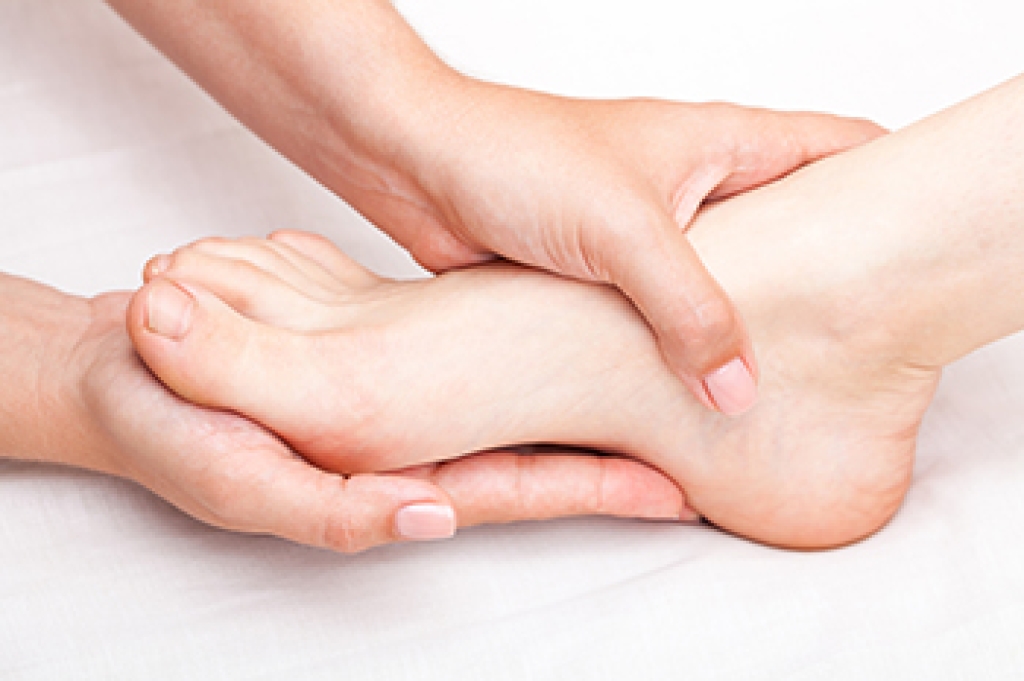
Foot and ankle injuries are a common occurrence when it comes to athletes of any sport. While many athletes dismiss the initial aches and pains, the truth is that ignoring potential foot and ankle injuries can lead to serious problems. As athletes continue to place pressure and strain the area further, a mild injury can turn into something as serious as a rupture and may lead to a permanent disability. There are many factors that contribute to sports related foot and ankle injuries, which include failure to warm up properly, not providing support or wearing bad footwear. Common injuries and conditions athletes face, including:

  • Plantar Fasciitis
  • Achilles Tendinitis
  • Achilles Tendon Rupture
  • Ankle Sprains

Sports related injuries are commonly treated using the RICE method. This includes rest, applying ice to the injured area, compression and elevating the ankle. More serious sprains and injuries may require surgery, which could include arthroscopic and reconstructive surgery. Rehabilitation and therapy may also be required in order to get any recovering athlete to become fully functional again. Any unusual aches and pains an athlete sustains must be evaluated by a licensed, reputable medical professional.

If you have any questions please contact our office located in Lumberton, NJ . We offer the newest diagnostic and treatment technologies for all your foot and ankle needs.
Read more about Sports Related Foot and Ankle Injuries

Ingrown Toenails and Podiatric Care

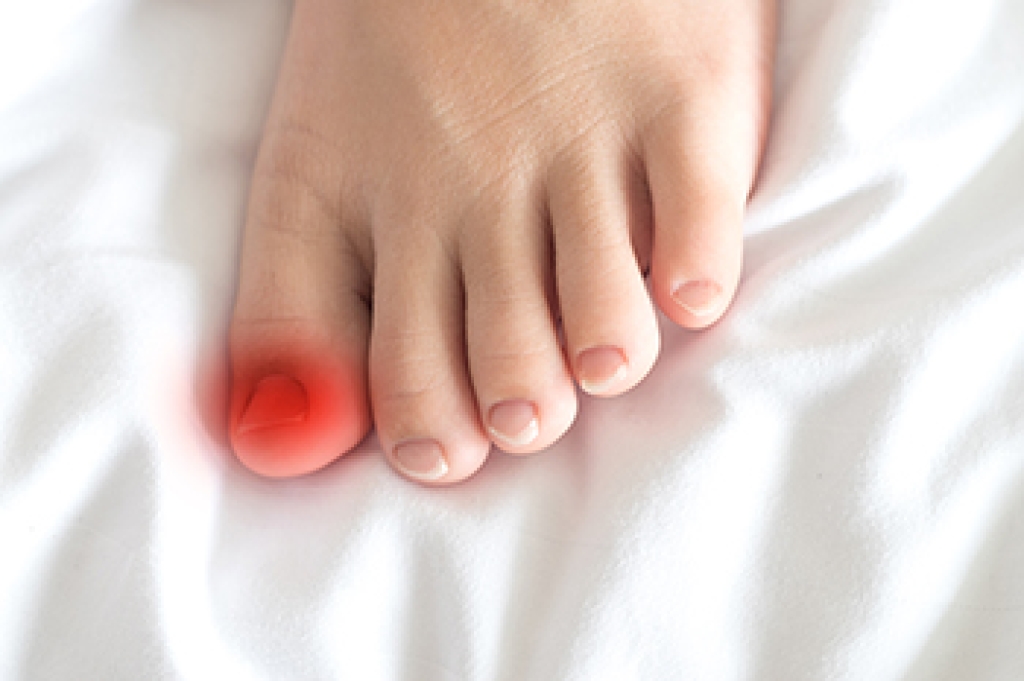
Ingrown toenails occur when the edge of a toenail grows into the surrounding skin, causing inflammation, pain,and possible infection. This condition often leads to redness, swelling, tenderness, and drainage surrounding the nail. Common causes include improper nail trimming, curved nails, wearing tight shoes that place pressure on the toes, and repeated trauma to the nail. Ingrown toenails are one of the most common nail problems treated in podiatry, and can worsen if not addressed early. A podiatrist can safely remove the ingrown portion of the nail, treat the infection, and provide guidance on proper nail care and footwear. If you notice toe pain, redness or swelling, it is suggested that you consult a podiatrist who can accurately diagnose the problem, and offer effective relief and treatment solutions. 

Ingrown toenails can become painful if they are not treated properly. For more information about ingrown toenails, contact Steven Spivak, DPM of Mount Holly Family Footcare. Our doctor can provide the care you need to keep you pain-free and on your feet.

Ingrown Toenails

Ingrown toenails occur when a toenail grows sideways into the bed of the nail, causing pain, swelling, and possibly infection.

Causes

  • Bacterial infections
  • Improper nail cutting such as cutting it too short or not straight across
  • Trauma to the toe, such as stubbing, which causes the nail to grow back irregularly
  • Ill-fitting shoes that bunch the toes too close together
  • Genetic predisposition

Prevention

Wearing proper fitting shoes and using proper cutting techniques will also help decrease your risk of developing ingrown toenails.

Treatment

Ingrown toenails are a very treatable foot condition. In minor cases, soaking the affected area in salt or antibacterial soaps will not only help with the ingrown nail itself, but also help prevent any infections from occurring. In more severe cases, surgery is an option. In either case, speaking to your podiatrist about this condition will help you get a better understanding of specific treatment options that are right for you.

If you have any questions, please feel free to contact our office located in Lumberton, NJ . We offer the newest diagnostic and treatment technologies for all your foot care needs.

Read more about Ingrown Toenail Care

Facts About Foot Drop

Foot drop is a condition marked by difficulty in lifting the front part of the foot, which can cause the toes to drag while walking and increase the risk of tripping. It often results from nerve injury, muscle weakness, or neurological conditions that affect normal foot movement. Symptoms include a high stepping gait, foot weakness, numbness, and instability. Risk factors include diabetes, stroke, spinal disorders, and prolonged nerve compression. Relief options focus on improving safety and function, and may include wearing supportive footwear and custom orthotics to help hold the foot in a proper position. A podiatrist can identify contributing foot and ankle issues, coordinate care, and recommend bracing or orthotic solutions. If you have foot drop, and walking has become difficult or unsafe, it is suggested that you consult a podiatrist who can offer effective relief and management solutions.

Foot Pain

Foot pain can be extremely painful and debilitating. If you have a foot pain, consult with Steven Spivak, DPM from Mount Holly Family Footcare. Our doctor will assess your condition and provide you with quality foot and ankle treatment.

Causes

Foot pain is a very broad condition that could be caused by one or more ailments. The most common include:

  • Bunions
  • Hammertoes
  • Plantar Fasciitis
  • Bone Spurs
  • Corns
  • Tarsal Tunnel Syndrome
  • Ingrown Toenails
  • Arthritis (such as Gout, Rheumatoid, and Osteoarthritis)
  • Flat Feet
  • Injury (from stress fractures, broken toe, foot, ankle, Achilles tendon ruptures, and sprains)
  • And more

Diagnosis

To figure out the cause of foot pain, podiatrists utilize several different methods. This can range from simple visual inspections and sensation tests to X-rays and MRI scans. Prior medical history, family medical history, and any recent physical traumatic events will all be taken into consideration for a proper diagnosis.

Treatment

Treatment depends upon the cause of the foot pain. Whether it is resting, staying off the foot, or having surgery; podiatrists have a number of treatment options available for foot pain.

If you have any questions, please feel free to contact our office located in Lumberton, NJ . We offer the newest diagnostic and treatment technologies for all your foot care needs.

Read more about Foot Pain

Foot Wounds and Why They Matter

Foot wounds can develop on the surface of the skin or beneath it and they range from minor injuries to serious medical concerns. External wounds affect the outer skin while internal wounds involve deeper tissues, such as muscles, tendons, or bone. Open wounds include cuts, abrasions, punctures, lacerations, and surgical wounds where the skin is broken. Closed wounds, such as bruises or hematomas, cause damage beneath intact skin. Because the feet carry body weight and have limited blood flow in some people healing can be slow. A podiatrist can identify the wound type, check for infection, and guide proper care. Early evaluation helps prevent complications and supports healthy healing and mobility. Prompt treatment is especially important for people with diabetes, circulation problems, or nerve changes that reduce feeling in the feet and balance. If you have any type of foot wound, it is suggested that you see a podiatrist for care.

Wound care is an important part in dealing with diabetes. If you have diabetes and a foot wound or would like more information about wound care for diabetics, consult with Steven Spivak, DPM from Mount Holly Family Footcare. Our doctor will assess your condition and provide you with quality foot and ankle treatment.

What Is Wound Care?

Wound care is the practice of taking proper care of a wound. This can range from the smallest to the largest of wounds. While everyone can benefit from proper wound care, it is much more important for diabetics. Diabetics often suffer from poor blood circulation which causes wounds to heal much slower than they would in a non-diabetic. 

What Is the Importance of Wound Care?

While it may not seem apparent with small ulcers on the foot, for diabetics, any size ulcer can become infected. Diabetics often also suffer from neuropathy, or nerve loss. This means they might not even feel when they have an ulcer on their foot. If the wound becomes severely infected, amputation may be necessary. Therefore, it is of the upmost importance to properly care for any and all foot wounds.

How to Care for Wounds

The best way to care for foot wounds is to prevent them. For diabetics, this means daily inspections of the feet for any signs of abnormalities or ulcers. It is also recommended to see a podiatrist several times a year for a foot inspection. If you do have an ulcer, run the wound under water to clear dirt from the wound; then apply antibiotic ointment to the wound and cover with a bandage. Bandages should be changed daily and keeping pressure off the wound is smart. It is advised to see a podiatrist, who can keep an eye on it.

If you have any questions please contact our office located in Lumberton, NJ . We offer the newest diagnostic and treatment technologies for all your foot and ankle needs.

Read more about Wound Care
Connect with us
fb ico Leave Google Review for Mount Holly Family Footcare blog