
Custom orthotics, or shoe inserts, should be periodically replaced. Orthotics must fit properly to give you the best results. Protect your feet and ankles!

Custom orthotics, or shoe inserts, should be periodically replaced. Orthotics must fit properly to give you the best results. Protect your feet and ankles!

Baseball places repeated stress on the feet and ankles because every game includes sprinting, quick stops, sharp turns, and sliding. Players also put force on these joints while batting, pitching, and fielding. A fast change in direction or an awkward slide can stretch or tear ligaments, which are the strong bands of tissue that connect bones. Baseball also causes fractures, bruises, and tendon injuries. Tendons attach muscles to bones and help create movement. Pain in the heel, arch, or ball of the foot can develop from repeated strain. Studies show that nearly one out of every five baseball injuries affects the lower legs, feet, or ankles.
A podiatrist can help by learning how the injury occurred and examining the foot and ankle. The evaluation includes checking strength, stability, and range of motion. It also looks for swelling, tenderness, or changes in alignment. Imaging tests, like X-rays or MRI scans, help confirm fractures, torn ligaments, or other damage. A podiatrist also examines baseball cleats to see whether they fit properly and provide enough support. Treating injuries early helps prevent further damage and allows players to return to the field with greater confidence. Ignoring pain can turn a minor injury into one that limits performance for a much longer period.
Treatment depends on the type and severity of the injury. A podiatrist creates a plan that protects the injured area while promoting proper healing. Care includes supportive bracing, custom orthotics, or casting when needed. Some injuries may require surgery to restore stability or repair damaged tissue. A podiatrist also evaluates movement patterns and recommends shoe changes that reduce stress on the feet and ankles during baseball activities. Regular follow-up visits help track healing and determine when it is safe to resume play. If you have foot or ankle pain from sporting activity, it is suggested that you schedule an appointment with a podiatrist for diagnosis and appropriate treatment.
Sports related foot and ankle injuries require proper treatment before players can go back to their regular routines. For more information, contact Steven Spivak, DPM of Mount Holly Family Footcare. Our doctor can provide the care you need to keep you pain-free and on your feet.
Sports Related Foot and Ankle Injuries
Foot and ankle injuries are a common occurrence when it comes to athletes of any sport. While many athletes dismiss the initial aches and pains, the truth is that ignoring potential foot and ankle injuries can lead to serious problems. As athletes continue to place pressure and strain the area further, a mild injury can turn into something as serious as a rupture and may lead to a permanent disability. There are many factors that contribute to sports related foot and ankle injuries, which include failure to warm up properly, not providing support or wearing bad footwear. Common injuries and conditions athletes face, including:
Sports related injuries are commonly treated using the RICE method. This includes rest, applying ice to the injured area, compression and elevating the ankle. More serious sprains and injuries may require surgery, which could include arthroscopic and reconstructive surgery. Rehabilitation and therapy may also be required in order to get any recovering athlete to become fully functional again. Any unusual aches and pains an athlete sustains must be evaluated by a licensed, reputable medical professional.
If you have any questions please contact our office located in Lumberton, NJ . We offer the newest diagnostic and treatment technologies for all your foot and ankle needs.
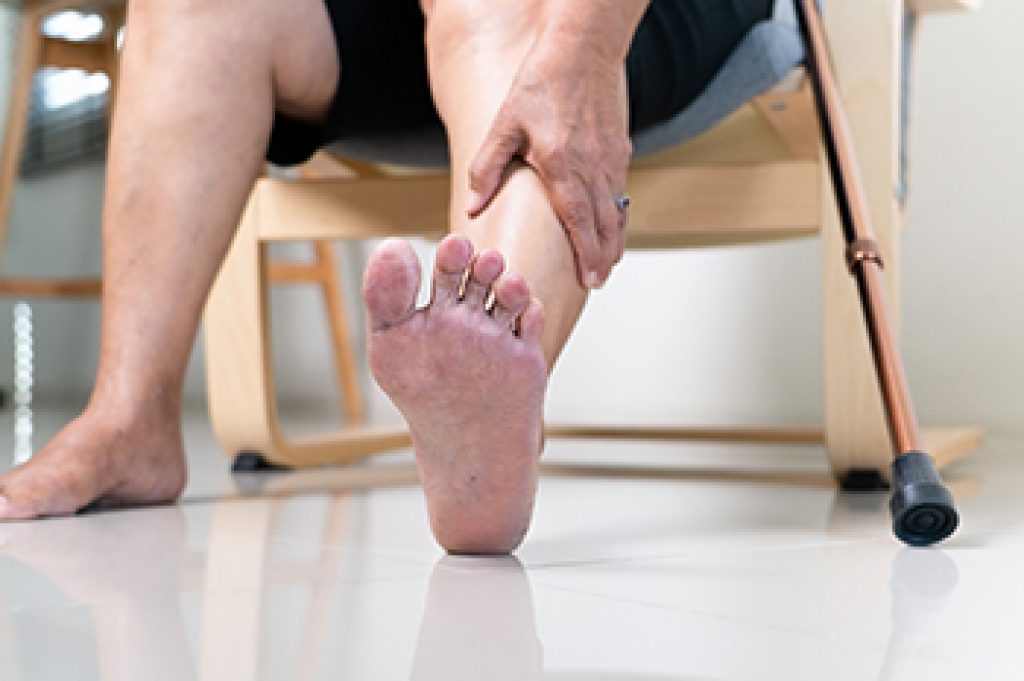
Foot problems in older adults are common and can significantly impact mobility and quality of life. As the body ages, natural changes in skin, joints, and circulation increase the risk of developing foot conditions. Elderly foot problems often include corns, toenail disorders, and hammertoe deformities. These conditions may seem minor at first but can lead to pain, instability, and reduced independence if not addressed early.
Symptoms vary depending on the condition but often include pain, swelling, and visible deformities. Corns appear as thickened areas of skin caused by repeated pressure or friction. Toenail disorders may include thickened, discolored, or brittle nails that are difficult to manage. Bunions present as a bony bump at the base of the big toe, while hammertoe involves an abnormal bending of the smaller toes. Weakness, frailty, and balance difficulties are also common, increasing the risk of falls.
Risk factors include aging-related joint changes, reduced muscle strength, and poor circulation. Wearing ill- fitting shoes can worsen pressure points and contribute to deformities. Chronic conditions like arthritis and diabetes may further impact foot health. Limited flexibility and decreased sensation can make it harder to detect early signs of injury or irritation, allowing problems to progress. Preventive care and early treatment are essential for maintaining mobility. Wearing properly fitted, supportive shoes reduces pressure and improves balance. Regular foot inspections help identify changes before they worsen. Routine nail care and skin maintenance are also important. Strengthening and balance exercises can improve stability and reduce fall risk. If you are elderly and have developed foot problems, it is suggested that you consult a podiatrist for an accurate diagnosis and appropriate treatment.
If you need your feet checked, contact Steven Spivak, DPM of Mount Holly Family Footcare. Our doctor will attend to all of your foot and ankle needs and provide you with quality treatment.
Geriatrics and Podiatry
When people age, some common issues that may occur are bone density loss, dry skin, poor circulation, and rough brittle nails. These issues may also affect your foot health if the necessary steps are not taken to alleviate the problems.
It is important to take care of your feet because feet that are injured or diseased can affect your overall health. Having painful feet hinders your ability to do daily activities or may decrease your willingness to do the things that you need to do.
Visiting Your Geriatrician
As we age, health problems become more likely, so it is essential to visit your doctor for check-ups to ensure that you are doing the best you can to take care of your health. It is recommended to check your feet frequently for any possible cuts, bruises, swelling, corns or any other irregularities.
Taking Care of Elderly Feet
Cracked or dry feet can be treated by applying moisturizer often. It is also important not to wear old socks because the older the sock is, the higher the possibility there will be that there is bacteria there. Wear fresh socks and make sure they fit properly.
Proper foot health means that you can have a more active lifestyle and you will not be bogged down by pain. Foot health also leads to good circulation, which is paramount for overall health.
If you have any questions, please feel free to contact our office located in Lumberton, NJ . We offer the newest diagnostic and treatment technologies for all your foot care needs.

An ankle sprain happens when the ligaments that support the ankle are stretched too far or torn. Ligaments are strong bands of tissue that connect bones and help keep joints stable. Most ankle sprains occur when the foot twists inward and the ankle rolls unexpectedly. This can happen while playing sports, stepping on an uneven surface, or missing a step on a staircase. Symptoms usually include pain, swelling, and bruising. Some people also notice tenderness around the ankle or feel that the joint is unstable when standing or walking. The severity of an ankle sprain can range from a mild stretch of the ligament to a complete tear.
Prompt evaluation is important because an ankle sprain can sometimes be more serious than it first appears. Severe sprains can make it difficult to put weight on the foot and may cause significant swelling. Without proper treatment, damaged ligaments can heal poorly and leave the ankle less stable. This increases the risk of future sprains and ongoing discomfort. A podiatrist can perform a thorough examination and determine the extent of the injury. Diagnostic imaging, like X-rays or advanced scans, can help rule out fractures and identify damage to soft tissues. Early diagnosis helps guide treatment and supports a safer recovery process.
Treatment depends on the severity of the sprain and the patient’s activity level. A podiatrist may recommend bracing, immobilization, or physical therapy to help restore strength and stability. Rehabilitation focuses on improving balance, flexibility, and muscle control. These measures help reduce the risk of repeat injuries and support a return to normal activities. In cases involving severe ligament damage or long-term instability, surgery may be considered. Proper treatment can help patients regain confidence in their movement and reduce the chance of chronic ankle problems. If you have symptoms of an ankle sprain, it is suggested that you make an appointment with a podiatrist for diagnosis and treatment.
Although ankle sprains are common, they aren’t always minor injuries. If you need your ankle injury looked at, contact Steven Spivak, DPM from Mount Holly Family Footcare. Our doctor can provide the care you need to keep you pain-free and on your feet.
How Does an Ankle Sprain Occur?
Ankle sprains are the result of a tear in the ligaments within the ankle. These injuries may happen when you make a rapid shifting movement while your foot is planted. A less common way to sprain your ankle is when your ankle rolls inward while your foot turns outward.
What Are the Symptoms?
Preventing a Sprain
Treatment of a Sprain
In many cases, the RICE method (Rest, Ice, Compression, and Elevate) is used to treat ankle sprains. However, you should see a podiatrist to see which treatment option would work best with your injury. In severe cases, surgery may be required.
It is important to ask your doctor about rehab options after you receive treatment for your injury. Stretching, strength training, and balance exercises may help the ankle heal while also preventing further injury.
If you have any questions, please feel free to contact our office located in Lumberton, NJ . We offer the newest diagnostic and treatment technologies for all your foot care needs.
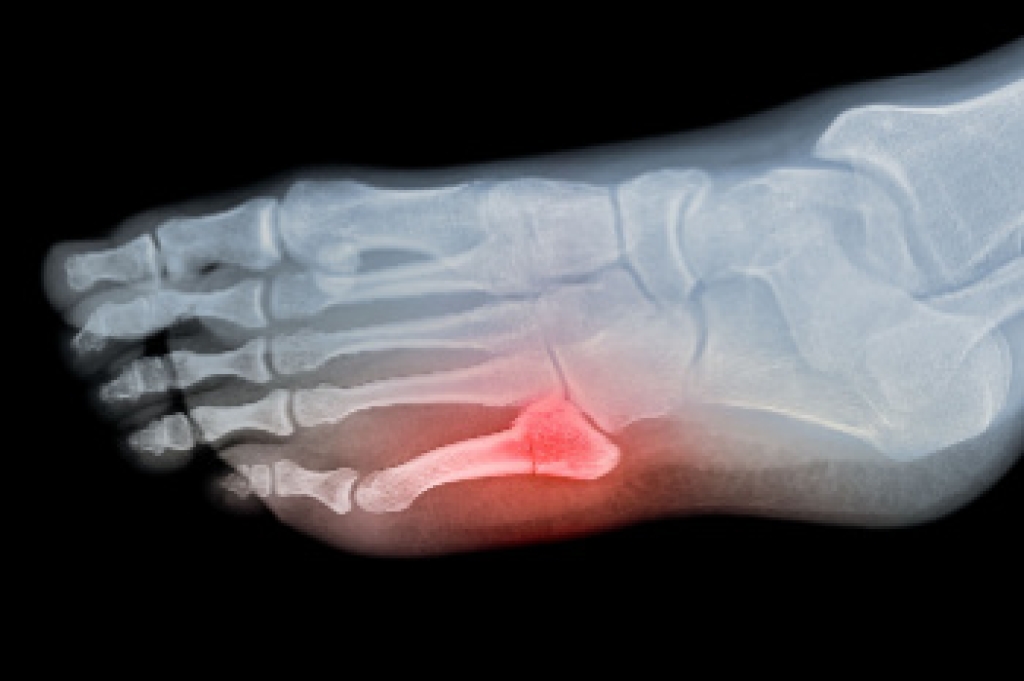
A toe fracture is a break in one of the small bones of the toes, known as phalanges. These injuries are among the most common lower extremity fractures because the toes are exposed and vulnerable during daily movement. Toe fractures often occur from direct trauma, such as stubbing a toe against a hard surface or dropping a heavy object on the foot. While some fractures are minor and stable, others can involve joint disruption or displacement, which may require more advanced care. Understanding the nature of this injury is important for timely diagnosis and proper healing.
Symptoms of a toe fracture can vary depending on severity, but pain is usually immediate and sharp at the time of injury. Swelling and bruising often develop within hours, and the affected toe may appear misaligned or deformed in more serious cases. Many individuals experience difficulty bearing weight or walking comfortably. Tenderness when touching the toe and limited range of motion are also common signs. In some cases, small fractures may be mistaken for sprains, which can delay appropriate treatment and prolong recovery.
Several risk factors increase the likelihood of sustaining a toe fracture. Walking barefoot in the home or outdoors raises the chance of accidental trauma. Participating in high impact sports or activities that involve running and jumping can also increase risk. Individuals with reduced bone density, such as those with osteoporosis, may be more prone to fractures even with minor injuries. Poor balance, cluttered environments, and ill-fitting footwear further contribute to the risk of stubbing a toe or experiencing direct impact.
Treatment for toe fractures depends on the type and severity of the break. Many simple fractures can be managed with rest, elevation, and protective footwear to limit movement. Buddy taping, which involves securing the injured toe to an adjacent toe, is often used to provide stability. More complex fractures may require immobilization or surgery to restore proper alignment. Early evaluation ensures that healing occurs correctly and reduces the risk of long term complications. If you have broken your toe, it is suggested that you consult a podiatrist for an accurate diagnosis and appropriate treatment.
A broken toe can be very painful and lead to complications if not properly fixed. If you have any concerns about your feet, contact Steven Spivak, DPM from Mount Holly Family Footcare. Our doctor will treat your foot and ankle needs.
What to Know About a Broken Toe
Although most people try to avoid foot trauma such as banging, stubbing, or dropping heavy objects on their feet, the unfortunate fact is that it is a common occurrence. Given the fact that toes are positioned in front of the feet, they typically sustain the brunt of such trauma. When trauma occurs to a toe, the result can be a painful break (fracture).
Symptoms of a Broken Toe
Generally, it is best to stay off of the injured toe with the affected foot elevated.
Severe toe fractures may be treated with a splint, cast, and in some cases, minor surgery. Due to its position and the pressure it endures with daily activity, future complications can occur if the big toe is not properly treated.
If you have any questions, please feel free to contact our office located in Lumberton, NJ . We offer the newest diagnostic and treatment technologies for all your foot care needs.