Do you suffer from heel pain when you get up in the morning? If so, you should seek professional help and have a proper diagnosis performed. Heel pain can be caused by several different foot-related conditions.

Do you suffer from heel pain when you get up in the morning? If so, you should seek professional help and have a proper diagnosis performed. Heel pain can be caused by several different foot-related conditions.

Children’s shoes should support natural growth while protecting developing feet. This calls for wearing soft, flexible footwear that allow freedom to move. For infants who are not yet walking, shoes are not needed for proper development. Barefoot movement allows the foot to strengthen and adapt naturally to surfaces. Pre-walkers benefit from minimal interference, as restrictive footwear may limit muscle activation and coordination. This early stage sets the foundation for balance, posture, and healthy walking patterns.
As children begin taking early steps, footwear needs begin to change. Flexible shoes are recommended during this transition stage to allow natural bending and movement. A proper shoe should feel light, with a soft sole that supports without restricting motion. Symptoms of improper footwear may include difficulty walking, irritation, or visible pressure marks on the skin. Shoes that are too rigid can alter natural gait patterns and create unnecessary strain. Choosing the right design helps maintain comfort and supports early mobility.
Independent walkers require shoes that offer a balance of flexibility and structure. At this stage, supportive soles and secure closures help stabilize the foot while allowing freedom of movement. Risk factors for developing foot issues include narrow shoes, stiff materials, and improper sizing. Pressure on the toes can lead to discomfort and affect walking confidence. Parents should regularly check shoe fit as children grow quickly.
The causes of many pediatric foot concerns can be traced to poor footwear choices during key developmental stages. Shoes that restrict movement or apply uneven pressure can interfere with natural growth. Selecting stage-appropriate footwear encourages proper alignment and reduces the likelihood of discomfort. A thoughtful approach to shoe selection supports healthy development and active movement. If your child has foot pain, from possibly wearing the wrong type of shoes, it is strongly suggested that you consult a podiatrist who can offer effective relief tips, and guide you on the correct shoes to buy for your child.
Making sure that your children maintain good foot health is very important as they grow. If you have any questions, contact Steven Spivak, DPM of Mount Holly Family Footcare. Our doctor can provide the care you need to keep you pain-free and on your feet.
Keeping Children's Feet Healthy
Having healthy feet during childhood can help prevent medical problems later in life, namely in the back and legs. As children grow, their feet require different types of care. Here are some things to consider...
Although babies do not walk yet, it is still very important to take care of their feet.
Avoid putting tight shoes or socks on his or her feet.
Allow the baby to stretch and kick his or her feet to feel comfortable.
As a toddler, kids are now on the move and begin to develop differently. At this age, toddlers are getting a feel for walking, so don’t be alarmed if your toddler is unsteady or ‘walks funny’.
As your child gets older, it is important to teach them how to take care of their feet.
Show them proper hygiene to prevent infections such as fungus.
Be watchful for any pain or injury.
Have all injuries checked by a doctor as soon as possible.
Comfortable, protective shoes should always be worn, especially at play.
If you have any questions, please feel free to contact our office located in Lumberton, NJ . We offer the newest diagnostic and treatment technologies for all your foot care needs.
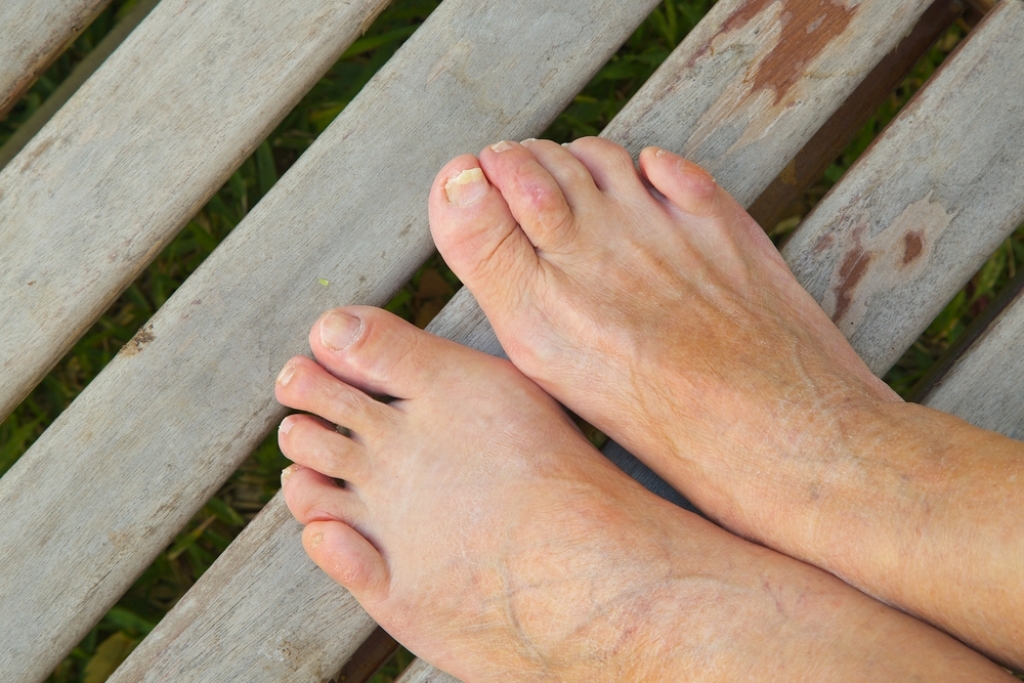
Hammertoe is a deformity that causes one or more of the smaller toes to bend downward at the middle joint instead of lying flat. At first, the toe may still be flexible, but it can become stiff if left untreated. This change in toe position places extra pressure on the top of the toe and the ball of the foot. Symptoms include pain, swelling, corns, calluses, and difficulty wearing shoes comfortably. The condition can develop because of muscle imbalance, arthritis, injury, or wearing shoes that squeeze the toes into a cramped position. Early evaluation is important because hammertoe becomes more difficult to correct as the joint becomes less flexible.
A podiatrist carefully evaluates toe alignment, foot structure, walking pattern, and joint movement to determine what is contributing to the deformity. The examination also identifies areas of excessive pressure that can lead to painful skin changes. Treatment includes custom orthotics when appropriate, footwear recommendations, and protective padding to reduce irritation. A podiatrist can also recommend exercises that improve flexibility and strengthen the muscles supporting the toes. Wearing shoes that provide proper support and enough room for the toes can reduce unnecessary pressure during daily activities. Regular follow-up visits help monitor changes and determine whether additional treatment is needed.
Ignoring hammertoe can allow the toe to become permanently stiff and increase discomfort while walking. Ongoing pressure can also lead to painful corns, calluses, and sores that make everyday activities more difficult. In advanced cases, surgery may be necessary when the toe can no longer be straightened or pain continues despite treatment. Early podiatry care helps improve foot function, reduce pressure on the affected toe, and slow the progression of the deformity. If you have symptoms of hammertoe, it is suggested that you schedule an appointment with a podiatrist for diagnosis and treatment.
Hammertoe
Hammertoes can be a painful condition to live with. For more information, contact Steven Spivak, DPM from Mount Holly Family Footcare. Our doctor will answer any of your foot- and ankle-related questions.
Hammertoe is a foot deformity that affects the joints of the second, third, fourth, or fifth toes of your feet. It is a painful foot condition in which these toes curl and arch up, which can often lead to pain when wearing footwear.
Symptoms
Causes
Genetics – People who are genetically predisposed to hammertoe are often more susceptible
Arthritis – Because arthritis affects the joints in your toes, further deformities stemming from arthritis can occur
Trauma – Direct trauma to the toes could potentially lead to hammertoe
Ill-fitting shoes – Undue pressure on the front of the toes from ill-fitting shoes can potentially lead to the development of hammertoe
Treatment
Orthotics – Custom made inserts can be used to help relieve pressure placed on the toes and therefore relieve some of the pain associated with it
Medications – Oral medications such as anti-inflammatories or NSAIDs could be used to treat the pain and inflammation hammertoes causes. Injections of corticosteroids are also sometimes used
Surgery – In more severe cases where the hammertoes have become more rigid, foot surgery is a potential option
If you have any questions, please feel free to contact our office located in Lumberton, NJ . We offer the newest diagnostic and treatment technologies for all your foot care needs.

Bunions are a foot condition that causes the big toe joint to shift out of its normal position. This change creates a noticeable bump on the side of the foot near the base of the big toe. Bunions can develop because of inherited foot structure, pressure on the joint, or changes in how the foot moves. The condition can affect comfort while walking and wearing shoes. Symptoms include pain, swelling, redness, stiffness, and difficulty in finding comfortable shoes. Some patients may notice that the big toe begins moving toward the other toes. A podiatrist can evaluate the foot to determine the severity of the bunion and identify factors contributing to the problem.
This foot doctor performs a detailed examination to understand how a bunion affects foot function and daily activities. The evaluation includes checking foot structure, joint movement, alignment, and walking patterns. Imaging may also be used to view changes in the bones and joints. A podiatrist creates a treatment plan based on the patient’s symptoms, foot mechanics, and lifestyle needs. Treatment includes approaches designed to improve comfort, support proper movement, and reduce stress on the affected area. A podiatrist also evaluates footwear because shoes that lack proper support or do not fit correctly can increase pressure on the bunion.
Research shows that bunions can affect balance, walking ability, and quality of life, making proper assessment important for effective care. A podiatrist helps patients understand the cause of their symptoms and develops a plan focused on maintaining healthy foot function. Professional treatment can address discomfort and support better mobility during daily activities. Treatment plans are personalized according to each patient’s condition and examination findings. If you have developed a bunion, it is suggested that you schedule an appointment with a podiatrist for effective relief and treatment soltuions.
If you are suffering from bunion pain, contact Steven Spivak, DPM of Mount Holly Family Footcare. Our doctor can provide the care you need to keep you pain-free and on your feet.
What Is a Bunion?
Bunions are painful bony bumps that usually develop on the inside of the foot at the joint of the big toe. As the deformity increases over time, it may become painful to walk and wear shoes. Women are more likely to exacerbate existing bunions since they often wear tight, narrow shoes that shift their toes together. Bunion pain can be relieved by wearing wider shoes with enough room for the toes.
Causes
Symptoms
In order to diagnose your bunion, your podiatrist may ask about your medical history, symptoms, and general health. Your doctor might also order an x-ray to take a closer look at your feet. Nonsurgical treatment options include orthotics, padding, icing, changes in footwear, and medication. If nonsurgical treatments don’t alleviate your bunion pain, surgery may be necessary.
If you have any questions, please feel free to contact our office located in Lumberton, NJ . We offer the newest diagnostic and treatment technologies for all your foot care needs.
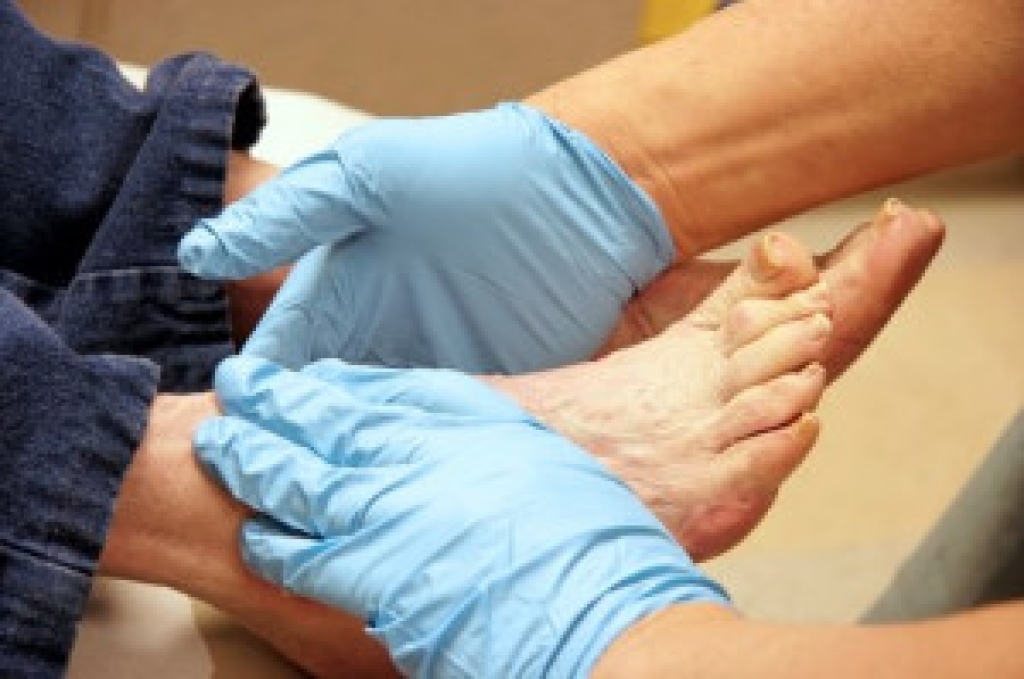
Diabetes is a chronic condition that affects how the body processes blood sugar, also known as glucose. When blood sugar levels remain elevated over time, it can damage blood vessels and nerves throughout the body. One of the most common complications is diabetic nerve pain, also called diabetic neuropathy. This condition often affects the feet and can interfere with normal sensation, making early detection and care essential for long term foot health.
Diabetic nerve pain develops when prolonged high blood sugar damages the nerves, especially in the lower extremities. This damage disrupts communication between the nerves and the brain, leading to abnormal sensations. Common symptoms include numbness, burning, and a pins and needles sensation in the feet. Some individuals may also experience sharp pain or increased sensitivity, while others may lose sensation entirely, increasing the risk of unnoticed injuries.
The causes of diabetes include insulin resistance, genetic factors, and lifestyle influences such as poor diet and lack of physical activity. Over time, uncontrolled blood sugar contributes directly to nerve damage. Diabetic neuropathy is more likely to develop in individuals who have had diabetes for many years or who struggle to maintain stable glucose levels. This makes consistent management a critical part of prevention.
Risk factors for diabetic nerve pain include long-term diabetes, high blood sugar levels, and poor circulation. Smoking and inactivity may further increase the risk. Proper foot care, regular checkups, and blood sugar control are essential to reducing complications. If you have diabetes and have developed foot neuropathy, it is strongly suggested that you are under the care of a podiatrist who can help you to manage this serious condition.
Diabetic foot care is important in preventing foot ailments such as ulcers. If you are suffering from diabetes or have any other concerns about your feet, contact Steven Spivak, DPM from Mount Holly Family Footcare. Our doctor can provide the care you need to keep you pain-free and on your feet.
Diabetic Foot Care
Diabetes affects millions of people every year. The condition can damage blood vessels in many parts of the body, especially the feet. Because of this, taking care of your feet is essential if you have diabetes, and having a podiatrist help monitor your foot health is highly recommended.
The Importance of Caring for Your Feet
Patients with diabetes should have their doctor monitor their blood levels, as blood sugar levels play such a huge role in diabetic care. Monitoring these levels on a regular basis is highly advised.
It is always best to inform your healthcare professional of any concerns you may have regarding your feet, especially for diabetic patients. Early treatment and routine foot examinations are keys to maintaining proper health, especially because severe complications can arise if proper treatment is not applied.
If you have any questions, please feel free to contact our office located in Lumberton, NJ . We offer the newest diagnostic and treatment technologies for all your foot care needs.