Suffering from this type of pain? You may have the foot condition known as Morton's neuroma. Morton's neuroma may develop as a result of ill-fitting footwear and existing foot deformities. We can help.
Suffering from this type of pain? You may have the foot condition known as Morton's neuroma. Morton's neuroma may develop as a result of ill-fitting footwear and existing foot deformities. We can help.

Sever’s disease is a common cause of heel pain in growing children and adolescents, especially those who are active in sports. It occurs when the growth plate in the heel becomes irritated from repetitive stress. The heel may look slightly swollen or red, and children often limp or walk on their toes to avoid pressure. It typically feels like aching or sharp pain at the back or bottom of the heel, which worsens with running, jumping, or prolonged activity and improves with rest. Causes include rapid growth, tight calf muscles, and high-impact activities. A podiatrist can help from the start by evaluating foot structure, gait, and activity levels, and confirming the diagnosis through examination and imaging when needed. Treatment often begins with activity modification, heel support, and inflammation management. Care can then progress into custom orthotics and footwear guidance to relieve stress on the heel. It is suggested that if your growing child is experiencing ongoing heel pain, you make an appointment with a podiatrist.
Sever's disease often occurs in children and teens. If your child is experiencing foot or ankle pain, see Steven Spivak, DPM from Mount Holly Family Footcare. Our doctor can treat your child’s foot and ankle needs.
Sever’s Disease
Sever’s disease is also known as calcaneal apophysitis, which is a medical condition that causes heel pain I none or both feet. The disease is known to affect children between the ages of 8 and 14.
Sever’s disease occurs when part of the child’s heel known as the growth plate (calcaneal epiphysis) is attached to the Achilles tendon. This area can suffer injury when the muscles and tendons of the growing foot do not keep pace with bone growth. Therefore, the constant pain which one experiences at the back of the heel will make the child unable to put any weight on the heel. The child is then forced to walk on their toes.
Symptoms
Acute pain – Pain associated with Sever’s disease is usually felt in the heel when the child engages in physical activity such as walking, jumping and or running.
Highly active – Children who are very active are among the most susceptible in experiencing Sever’s disease, because of the stress and tension placed on their feet.
If you have any questions, please feel free to contact our office located in Lumberton, NJ . We offer the newest diagnostic and treatment technologies for all your foot care needs.

Pregnancy can lead to long-term changes in the feet because the body undergoes shifts that affect ligaments, posture, and weight distribution. As hormone levels rise, the ligaments the body, including those that support the arches, become more flexible. This increased looseness, combined with added weight, can cause the arches to lower and the feet to widen. Some people notice that their shoe size increases and does not fully return after delivery. These structural shifts may lead to new areas of soreness, changes in balance, or greater fatigue when walking. Wearing supportive footwear, shoe inserts, and gentle strengthening can help maintain comfort as the feet adapt. A podiatrist can evaluate any lasting changes, provide recommendations for support, and address conditions that may develop as a result of pregnancy-related foot changes. If your foot discomfort continues after childbirth, it is suggested that you see a podiatrist for an evaluation and treatment options.
Pregnant women with swollen feet can be treated with a variety of different methods that are readily available. For more information about other cures for swollen feet during pregnancy, consult with Steven Spivak, DPM from Mount Holly Family Footcare. Our doctor will attend to all of your foot and ankle needs.
What Foot Problems Can Arise During Pregnancy?
One problem that can occur is overpronation, which occurs when the arch of the foot flattens and tends to roll inward. This can cause pain and discomfort in your heels while you’re walking or even just standing up, trying to support your baby.
Another problem is edema, or swelling in the extremities. This often affects the feet during pregnancy but tends to occur in the later stages.
How Can I Keep My Feet Healthy During Pregnancy?
If you have any questions, please feel free to contact our office located in Lumberton, NJ . We offer the newest diagnostic and treatment technologies for all your foot care needs.

Corns and calluses are thickened skin areas caused by repeated pressure or friction, yet they differ in form and discomfort. Corns are smaller, with a hard center, commonly on toes, while calluses are broader, flatter patches on soles. Symptoms include tenderness, aching, or sharp pain with corns, and dull discomfort with calluses. They may look yellowed, dry, or raised, and can feel rough, tight, or painful in shoes. Causes include ill-fitting footwear, abnormal foot mechanics, bony prominences, and repetitive activity. A podiatrist can help from the start by assessing gait, footwear, and skin, confirming diagnosis, and excluding warts or infection. Treatment options include safe debridement, padding, footwear changes, and addressing biomechanical causes to prevent recurrence. Early evaluation reduces pain, improves alignment, and supports lasting relief. Ongoing care improves comfort, mobility, and skin health. If you are dealing with foot discomfort, it is suggested that you make an appointment with a podiatrist.
Corns can make walking very painful and should be treated immediately. If you have questions regarding your feet and ankles, contact Steven Spivak, DPM of Mount Holly Family Footcare. Our doctor will treat your foot and ankle needs.
Corns: What Are They? And How Do You Get Rid of Them?
Corns are thickened areas on the skin that can become painful. They are caused by excessive pressure and friction on the skin. Corns press into the deeper layers of the skin and are usually round in shape.
Ways to Prevent Corns
There are many ways to get rid of painful corns such as:
Treating Corns
Although most corns slowly disappear when the friction or pressure stops, this isn’t always the case. Consult with your podiatrist to determine the best treatment option for your case of corns.
If you have any questions, please feel free to contact our office located in Lumberton, NJ . We offer the newest diagnostic and treatment technologies for all your foot care needs.
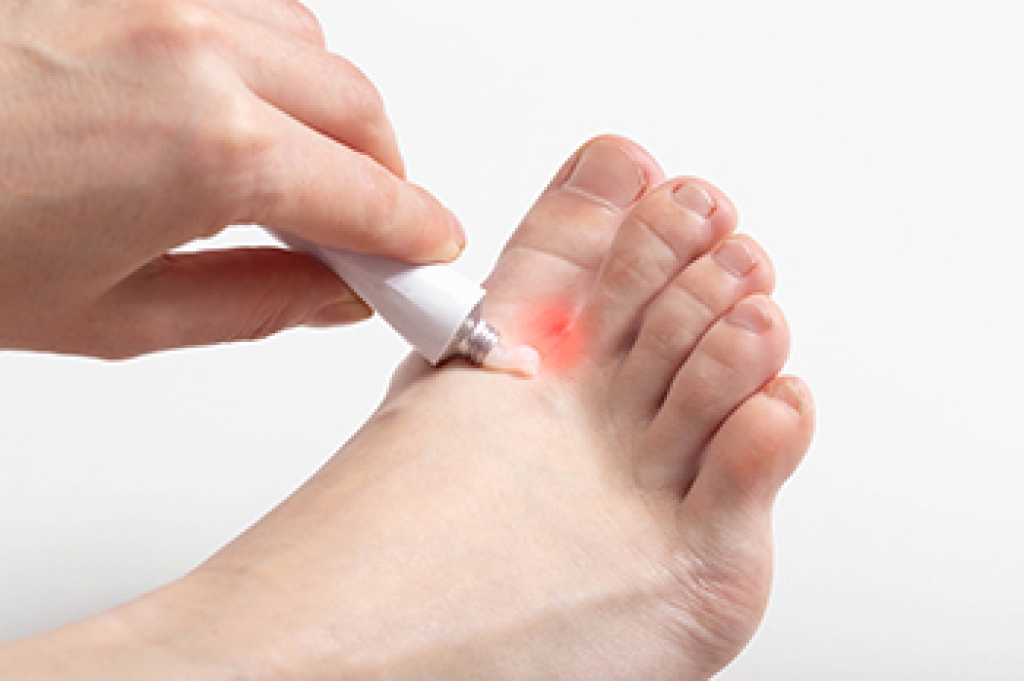
Red spots on the feet can be concerning and may have several causes, including athlete's foot or blisters. Athlete's foot often appears as red, flaky, or scaly patches, sometimes with cracking skin, and is caused by a fungal infection that thrives in warm, moist environments. It may feel itchy, burning, or irritated. Blisters, on the other hand, are usually caused by friction from footwear or repetitive movement and may look like raised, fluid filled spots that feel tender, sore, or painful when walking. A podiatrist can help from the start by examining the skin, discussing symptoms, and determining whether the cause is fungal, mechanical, or related to another condition. Treatment may include antifungal medications, protective padding, blister care, or custom orthotics to reduce pressure. Early diagnosis helps prevent worsening symptoms and promotes faster healing and comfort. If you have suspicious red spots on your feet, it is suggested that you schedule an appointment with a podiatrist for an accurate diagnose and effective treatment solutions.
Athlete’s Foot
Athlete’s foot is often an uncomfortable condition to experience. Thankfully, podiatrists specialize in treating athlete’s foot and offer the best treatment options. If you have any questions about athlete’s foot, consult with Steven Spivak, DPM from Mount Holly Family Footcare. Our doctor will assess your condition and provide you with quality treatment.
What Is Athlete’s Foot?
Tinea pedis, more commonly known as athlete’s foot, is a non-serious and common fungal infection of the foot. Athlete’s foot is contagious and can be contracted by touching someone who has it or infected surfaces. The most common places contaminated by it are public showers, locker rooms, and swimming pools. Once contracted, it grows on feet that are left inside moist, dark, and warm shoes and socks.
Prevention
The most effective ways to prevent athlete’s foot include:
Symptoms
Athlete’s foot initially occurs as a rash between the toes. However, if left undiagnosed, it can spread to the sides and bottom of the feet, toenails, and if touched by hand, the hands themselves. Symptoms include:
Diagnosis and Treatment
Diagnosis is quick and easy. Skin samples will be taken and either viewed under a microscope or sent to a lab for testing. Sometimes, a podiatrist can diagnose it based on simply looking at it. Once confirmed, treatment options include oral and topical antifungal medications.
If you have any questions, please feel free to contact our office located in Lumberton, NJ . We offer the newest diagnostic and treatment technologies for all your foot care needs.