
Same day appointments. Call Now!

Blog

Foot Pain Resulting From Plantar Fasciitis

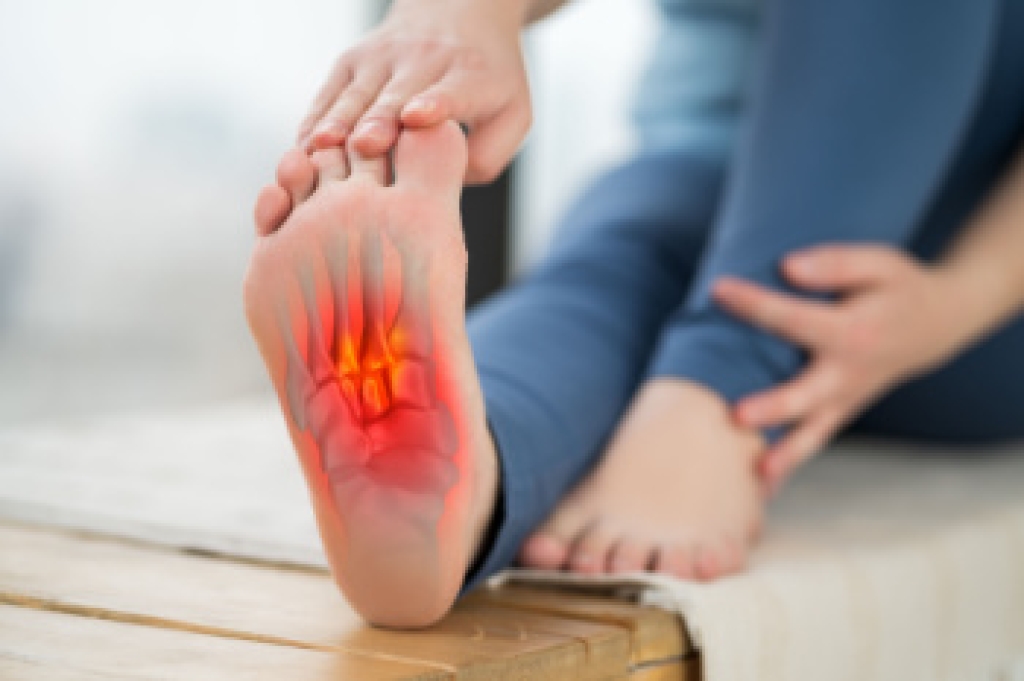
Plantar fasciitis is one of the most common causes of foot pain. It affects a strong band of tissue that runs along the bottom of the foot from the heel to the toes. This tissue, called the plantar fascia, helps support the arch and absorbs stress when walking. When it becomes irritated, pain can develop near the heel or along the bottom of the foot. Heel pain is frequently felt where the plantar fascia attaches to the heel bone. The discomfort is often strongest with the first steps in the morning. It can also occur after sitting for a long period. Pain may ease after moving around, but often returns later in the day. 

Several factors can increase stress on the plantar fascia. These include standing for long periods, wearing shoes that lack adequate support, and suddenly increasing physical activity. People with very high arches or very flat feet can also develop this condition. Symptoms include a burning sensation and a sharp, stabbing pain when walking. The discomfort can make daily activities more difficult to carry out and may affect balance and movement. Left untreated, plantar fasciitis can cause people to change the way they walk. This can place extra strain on other parts of the foot and ankle and cause further difficulties.

A podiatrist can diagnose plantar fasciitis through a physical examination and a review of symptoms. Diagnostic imaging and X-rays may be used to rule out other causes of heel pain. Treatment options include stretching exercises, custom orthotics, and night splints that gently stretch the foot while sleeping. Additional treatment may focus on reducing stress placed on the plantar fascia and improving foot function. If you have symptoms of plantar fasciitis in your feet, it is suggested that you make an appointment with a podiatrist for an exam and diagnosis.

Plantar fasciitis can be very painful and inconvenient. If you are experiencing heel pain or symptoms of plantar fasciitis, contact Steven Spivak, DPM  from Mount Holly Family Footcare. Our doctor can provide the care you need to keep you pain-free and on your feet.

What Is Plantar Fasciitis?

Plantar fasciitis is the inflammation of the thick band of tissue that runs along the bottom of your foot, known as the plantar fascia, and causes mild to severe heel pain.

What Causes Plantar Fasciitis?

  • Excessive running
  • Non-supportive shoes
  • Overpronation
  • Repeated stretching and tearing of the plantar fascia

How Can It Be Treated?

  • Conservative measures – anti-inflammatories, ice packs, stretching exercises, physical therapy, orthotic devices
  • Shockwave therapy – sound waves are sent to the affected area to facilitate healing and are usually used for chronic cases of plantar fasciitis
  • Surgery – usually only used as a last resort when all else fails. The plantar fascia can be surgically detached from the heel

While very treatable, plantar fasciitis is definitely not something that should be ignored. Especially in severe cases, speaking to your doctor right away is highly recommended to avoid complications and severe heel pain. Your podiatrist can work with you to provide the appropriate treatment options tailored to your condition.

If you have any questions, please feel free to contact our office located in Lumberton, NJ . We offer the newest diagnostic and treatment technologies for all your foot care needs.

Read more about Plantar Fasciitis

Understanding Different Types of Foot Pain

Foot pain can develop in many areas, and the location often helps identify the cause. Heel pain is commonly linked to plantar fascia irritation, tendon strain, or stress injuries. Pain in the ball of the foot may result from pressure overload, nerve irritation, joint inflammation, or structural changes. Arch pain can stem from ligament strain, tendon problems, or biomechanical imbalance. Toe pain may be related to arthritis, deformities, fractures, or nail conditions. Pain along the top of the foot sometimes points to tendon inflammation, stress fractures, or compression from footwear. Inner or outer foot pain may involve ligaments, tendons, joint wear, or alignment problems. Burning, tingling, or numb pain may suggest nerve involvement rather than a structural injury. Because foot pain can have many causes, an accurate diagnosis is important for effective treatment. If you are experiencing ongoing foot discomfort, worsening pain, or difficulty walking, it is suggested that you visit a podiatrist for a thorough evaluation and appropriate treatment solutions.

Foot Pain

Foot pain can be extremely painful and debilitating. If you have a foot pain, consult with Steven Spivak, DPM from Mount Holly Family Footcare. Our doctor will assess your condition and provide you with quality foot and ankle treatment.

Causes

Foot pain is a very broad condition that could be caused by one or more ailments. The most common include:

  • Bunions
  • Hammertoes
  • Plantar Fasciitis
  • Bone Spurs
  • Corns
  • Tarsal Tunnel Syndrome
  • Ingrown Toenails
  • Arthritis (such as Gout, Rheumatoid, and Osteoarthritis)
  • Flat Feet
  • Injury (from stress fractures, broken toe, foot, ankle, Achilles tendon ruptures, and sprains)
  • And more

Diagnosis

To figure out the cause of foot pain, podiatrists utilize several different methods. This can range from simple visual inspections and sensation tests to X-rays and MRI scans. Prior medical history, family medical history, and any recent physical traumatic events will all be taken into consideration for a proper diagnosis.

Treatment

Treatment depends upon the cause of the foot pain. Whether it is resting, staying off the foot, or having surgery; podiatrists have a number of treatment options available for foot pain.

If you have any questions, please feel free to contact our office located in Lumberton, NJ . We offer the newest diagnostic and treatment technologies for all your foot care needs.

Read more about Foot Pain

Various Causes of Heel Pain

Heel pain develops when the structures supporting the heel become irritated or overworked. Activities such as walking, jumping, and running place constant pressure on the feet, which can lead to inflammation or small tissue injuries over time. It often appears as a sharp or dull ache in the bottom or back of the heel, especially during the first steps in the morning or after rest. Repetitive stress, tight calf muscles, and lack of proper support can all contribute to its development. While stretching may help maintain flexibility in the surrounding muscles, ongoing pain may signal a deeper issue. A podiatrist can evaluate the cause of heel pain, check foot alignment, and recommend targeted treatment options to improve comfort and movement. If you have heel pain, it is suggested that you promptly consult a podiatrist who can determine what the cause is and offer effective relief and treatment solutions.

Many people suffer from bouts of heel pain. For more information, contact Steven Spivak, DPM of Mount Holly Family Footcare. Our doctor can provide the care you need to keep you pain-free and on your feet.

Causes of Heel Pain

Heel pain is often associated with plantar fasciitis. The plantar fascia is a band of tissues that extends along the bottom of the foot. A rip or tear in this ligament can cause inflammation of the tissue.

Achilles tendonitis is another cause of heel pain. Inflammation of the Achilles tendon will cause pain from fractures and muscle tearing. Lack of flexibility is also another symptom.

Heel spurs are another cause of pain. When the tissues of the plantar fascia undergo a great deal of stress, it can lead to ligament separation from the heel bone, causing heel spurs.

Why Might Heel Pain Occur?

  • Wearing ill-fitting shoes                
  • Wearing non-supportive shoes
  • Weight change           
  • Excessive running

Treatments

Heel pain should be treated as soon as possible for immediate results. Keeping your feet in a stress-free environment will help. If you suffer from Achilles tendonitis or plantar fasciitis, applying ice will reduce the swelling. Stretching before an exercise like running will help the muscles. Using all these tips will help make heel pain a condition of the past.

If you have any questions, please feel free to contact our office located in Lumberton, NJ . We offer the newest diagnostic and treatment technologies for all your foot care needs.

Read more about Heel Pain

Why Your Feet Hurt While Skateboarding

Foot pain while skateboarding can develop from several common issues that affect comfort and performance. Wearing the wrong size shoes can create pressure and lead to problems like plantar fasciitis, which causes pain along the bottom of the foot. Flat feet may also contribute by reducing natural support and increasing strain during movement. Poor pushing technique can place uneven stress on the feet, while wheels that are too hard may increase impact and vibration. A podiatrist can evaluate foot structure, recommend proper shoes, and provide guidance to improve technique and reduce discomfort. If you enjoy skateboarding and have developed foot pain, it is suggested that you consult a podiatrist who can offer effective relief and treatment.

Ankle and foot injuries are common among athletes and in many sports. They can be caused by several problems and may be potentially serious. If you are feeling pain or think you were injured in a sporting event or when exercising, consult with Steven Spivak, DPM from Mount Holly Family Footcare. Our doctor will assess your condition and provide you with quality foot and ankle treatment.

Common Injuries

The most common injuries that occur in sporting activities include:

  • Achilles Tendonitis
  • Achilles Tendon Rupture
  • Ankle Sprains
  • Broken Foot
  • Plantar Fasciitis
  • Stress Fractures
  • Turf Toe

Symptoms

Symptoms vary depending upon the injury and in some cases, there may be no symptoms at all. However, in most cases, some form of symptom is experienced. Pain, aching, burning, bruising, tenderness, tightness or stiffness, sensation loss, difficulty moving, and swelling are the most common symptoms.

Treatment

Just as symptoms vary depending upon the injury, so do treatment options. A common treatment method is known as the RICE method. This method involves rest, applying ice, compression and elevating the afflicted foot or ankle. If the injury appears to be more serious, surgery might be required, such as arthroscopic or reconstructive surgery. Lastly, rehabilitation or therapy might be needed to gain full functionality in the afflicted area. Any discomfort experienced by an athlete must be evaluated by a licensed, reputable medical professional.  

If you have any questions please contact our office located in Lumberton, NJ . We offer the newest diagnostic and treatment technologies for all your foot and ankle needs.
Read more about Sports Related Foot And Ankle Injuries

Understanding What Contributes to Falls

Falls can happen more easily when stabilizer muscles are weak, core strength is limited, or balance is reduced. All of these factors affect how the body responds to movement and uneven surfaces. Such challenges may increase the risk of injuries, including ankle sprains or even stress fractures in the feet. Improving strength through gentle exercise, practicing balance activities, and wearing supportive footwear can help reduce risk. Paying attention to changes in walking patterns or discomfort is also important. A podiatrist can assess foot structure, identify underlying concerns, and recommend treatment or orthotics to improve stability. If you have noticed changes in your balance or have foot and ankle pain from falling, it is suggested that you consult a podiatrist who can offer you effective treatment solutions and prevention tips.

Preventing falls among the elderly is very important. If you are older and have fallen or fear that you are prone to falling, consult with Steven Spivak, DPM from Mount Holly Family Footcare. Our doctor will assess your condition and provide you with quality advice and care.

Every 11 seconds, an elderly American is being treated in an emergency room for a fall related injury. Falls are the leading cause of head and hip injuries for those 65 and older. Due to decreases in strength, balance, senses, and lack of awareness, elderly persons are very susceptible to falling. Thankfully, there are a number of things older persons can do to prevent falls.

How to Prevent Falls

Some effective methods that older persons can do to prevent falls include:

  • Enrolling in strength and balance exercise program to increase balance and strength
  • Periodically having your sight and hearing checked
  • Discuss any medications you have with a doctor to see if it increases the risk of falling
  • Clearing the house of falling hazards and installing devices like grab bars and railings
  • Utilizing a walker or cane
  • Wearing shoes that provide good support and cushioning
  • Talking to family members about falling and increasing awareness

Falling can be a traumatic and embarrassing experience for elderly persons; this can make them less willing to leave the house, and less willing to talk to someone about their fears of falling. Doing such things, however, will increase the likelihood of tripping or losing one’s balance. Knowing the causes of falling and how to prevent them is the best way to mitigate the risk of serious injury.  

If you have any questions, please feel free to contact our office located in Lumberton, NJ . We offer the newest diagnostic and treatment technologies for all your foot care needs.

Read more about Falls Prevention
Connect with us
fb ico Leave Google Review for Mount Holly Family Footcare blog